A sushi buffet is one of the few meals where eating well and getting your money’s worth point in exactly the same direction — as long as you walk in with a plan. Walk in hungry and aimless, and you’ll do what most people do: fill the first plate with rolls, wonder why you’re full twenty minutes later, and leave having barely touched the best things on the line. A little strategy changes all of that, and none of it requires eating like a competitive sport.
The first thing to understand is that a buffet line is designed, whether anyone admits it or not, to fill you up cheaply. The rice-heavy items sit front and center, the noodles and fried things are generous, and the premium fish is further along or in smaller trays that turn over fast. None of that is a trick exactly — it’s just how a fixed-price meal stays in business. Your job is to eat in the opposite order of the line’s economics: fish first, rice last.
Start With the Fish, Not the Filler
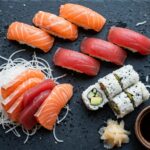
The single highest-value move at any sushi buffet is also the simplest: start with sashimi and nigiri. Sashimi is pure fish with no rice at all, which makes it the least filling and most valuable piece on the line — it’s the cut you’d pay the most for at a regular sushi bar, and here it’s included in the price. Nigiri is the next best thing, a slice of fish on a small bed of rice, still fish-led and still light.
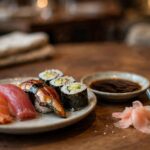
Rolls are where the value leaks out. A maki roll stretches a modest amount of fish across a lot of rice and seaweed, and one roll yields six to eight pieces that look generous and feel filling. They’re not a bad food — some combinations only work as rolls — but a plate stacked with them is the fastest route to being full before you’ve tasted anything premium, especially since rice is the ingredient doing most of the filling, as our piece on why rice matters explains.
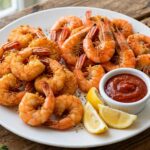
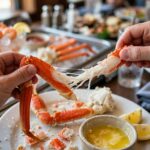
Same logic applies beyond the sushi bar. At a combined seafood-and-sushi spread, the crab legs, shrimp, and whole fish are the expensive items; the noodles, fried rice, and bread rolls are the cheap ones. You don’t have to skip the comfort food entirely — that’s part of the fun — but it should come after the seafood, not before it.
Small Plates, Several Rounds
The second rule is about pace. Take small first plates. A buffet rewards sampling, and the only way to sample is to leave room for the next round. Grab two or three pieces of a few different things, note what you actually loved, and go back for a proper portion of those. The people who load a mountain on plate one almost always end up either wasting food or too full to enjoy plate two, and both are a worse deal than a modest first round.
Think of each trip as a course. A light first round of sashimi and a salad, a second round of nigiri and whatever cooked seafood caught your eye, a third for the rolls and hot dishes you actually want. Between rounds, a cup of miso soup or green tea does real work: it cleanses the palate, slows you down just enough, and keeps the meal feeling like a meal instead of a race. Rushing is the enemy here — the food isn’t going anywhere, and a buffet eaten at a sprint tastes worse than the same food eaten slowly.
Chase Freshness, Not Just Price
Value isn’t only about picking the priciest fish. A piece of sashimi that’s been sitting under a heat lamp for an hour is worth less than a freshly cut roll, no matter what the menu says. The best signal at a buffet is turnover: a busy line at a busy hour means trays get refilled constantly, and the fish stays fresh. If you can, come when the restaurant is lively rather than at the tail end of a quiet shift, and watch for the trays that get replenished often — those are the ones the kitchen is proudest of.
It’s also worth asking questions. The staff know what’s freshest today, which fish just came in, and whether there’s a special roll or a seasonal item that isn’t obvious on the line. A quick question at the sushi bar can unlock something you’d never have picked on your own, and chefs at a buffet are usually happy to talk to someone who’s genuinely interested rather than just piling a plate.
Know Your Own Appetite
Here’s the part most value guides skip: the best-value meal is the one you actually enjoy. Eating fish you don’t like just because it’s expensive is a waste in the most literal sense — it fills you up, you don’t enjoy it, and you leave feeling worse than if you’d eaten the California roll you actually wanted. Pick the premium items you like, skip the ones you don’t, and don’t let the price tag boss you around.
The same honesty applies to how much you eat. Coming in absolutely starving sounds like a strategy, but it usually backfires: you grab the first thing in sight, eat too fast, and feel full before you’ve made a single good choice. Come hungry, not famished. A light snack a few hours before, water through the day, and you’ll walk in with an appetite you can steer instead of one steering you.
And leave room for the end of the meal. Dessert at a sushi buffet is often an afterthought, but the fruit, mochi, and ice cream are part of what you paid for, and a small sweet finish is a better ending than one more roll eaten out of obligation. The same goes for drinks: water and green tea keep your palate sharp and your stomach comfortable, while a sugary drink early on just takes up space.
The Real Math of a Good Buffet Visit
When it comes down to it, getting the most out of a sushi buffet isn’t about eating the most. It’s about eating the best things first, in small rounds, at a pace that lets you taste them, and leaving when you’re satisfied rather than stuffed. The diners who get the most value aren’t the ones with the tallest plates — they’re the ones who tried the sashimi while it was fresh, found the nigiri they loved and went back for it, saved a roll or two for fun rather than filler, and finished with something sweet.
That’s a meal worth the price of admission on any measure: variety you couldn’t get from a single order, premium fish you’d pay far more for elsewhere, and the freedom to discover a new favorite without committing to a full portion. Walk in with that plan, and the line stops being a test of willpower and starts being what it was meant to be — a very good dinner, on your terms.

2 thoughts on “How to Get the Most Value Out of a Sushi Buffet”