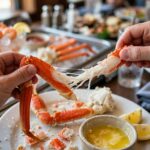
There is a particular kind of courage that only a buffet can teach you. At a regular sushi restaurant, every unfamiliar roll is a gamble with your wallet — order wrong and you are stuck with eight pieces of something you do not like, plus the bill. At a buffet, the gamble disappears. You can take one piece, taste it, decide, and walk back for more or walk away forever, and it costs you nothing extra either way. That is what makes a sushi buffet line the best classroom a curious eater will ever find.
If you have always wanted to try sushi but never quite got past the menu, here is how to use a buffet line to find out what you actually like — without wasting food, embarrassing yourself, or filling up on the first thing you recognize.
Why a Buffet Is the Best Place to Be Curious
Most first-timers make the same mistake: they play it so safe that they never actually try anything new. They load up on California rolls, eat until they are full, and leave knowing exactly as much about sushi as they did when they walked in. The buffet rewards the opposite approach. Because you can return to the line as many times as you like, there is no penalty for a small, experimental plate. Think of your first trip as reconnaissance, not dinner.
It also helps to know that nobody at a buffet is watching your plate as closely as you think they are. Everyone is busy with their own choices. The staff has seen thousands of first-timers. The only thing that draws attention is waste — a plate piled high and left half-eaten. Take little, taste honestly, and you will fit right in.
Start Where It Feels Familiar
Begin with the rolls that taste like food you already know. A California roll — crabmeat, cucumber, and avocado rolled inside-out — is the classic gateway for a reason: it is mild, creamy, and familiar, with the seaweed tucked inside where it will not surprise you. Crabmeat rolls in general are a gentle start, as are tempura rolls, where the fried crunch does most of the talking, and simple avocado or cucumber rolls if you want to ease in without any seafood at all.
These are not training wheels to be embarrassed about. Plenty of lifelong sushi lovers still order them.
The One-Piece Rule
Here is the single most useful habit for a sushi buffet: never take more than one piece of anything you have not tried before. One piece is a complete experiment. You get the flavor, the texture, the temperature, and the aftertaste, and you have learned everything you need to know. If you love it, the line is ten steps away and you can go back for three more. If you do not, you have lost nothing — no money, no plate space, no appetite.
Use a small side plate for your experiments if one is handy, so your tasting pieces stay separate from the food you already know you like. That way a strong flavor from something adventurous does not bleed into the roll you were enjoying, and you can keep track of what you have tried.
Climb the Ladder Slowly
Once the familiar rolls feel comfortable, move up one rung at a time rather than jumping straight to the most challenging end of the line. A sensible ladder looks something like this: cooked and familiar rolls first, then mild raw fish — salmon and tuna are the usual next step, buttery and clean-tasting rather than aggressive. After that, try something with a little more character: yellowtail, which is richer and slightly sweet, or eel, which is usually served cooked with a savory glaze and tastes nothing like what its name might make you imagine.
Between rungs, reset your palate. That little pile of pickled ginger on the line is not a topping — it is a cleanser, meant to be eaten between different pieces so each new taste starts fresh. A sip of water does the same job. Without that reset, everything starts to blur together and you cannot tell what you actually liked.
If you want to understand the difference between the main formats you will see on the line — nigiri, sashimi, and the various rolls — our guide to nigiri vs. sashimi vs. maki breaks down what each one is and how to approach it.
How to Taste Without Wasting a Plate
Waste is the one real sin at a buffet, and it is also the fear that keeps first-timers from experimenting. The fix is mostly about portion discipline. Take one piece, not a row. Taste it plain before reaching for soy sauce or wasabi, because the chef already balanced the flavors and drowning a piece in soy tells you nothing about the fish itself. If you do use soy sauce, dip the fish side lightly rather than soaking the rice, which falls apart and turns the whole piece into a salty sponge.
Wasabi deserves the same restraint. A tiny dab on the fish is plenty; mixed into a bowl of soy sauce it becomes a blunt instrument that flattens every flavor underneath it. And if a roll is simply too big for one bite, two bites are perfectly fine — nobody is grading your technique.
Chopsticks or hands? Both are acceptable, and at a buffet nobody will mind either. Nigiri is traditionally eaten with the hands, and rolls are easy with chopsticks if you are comfortable with them. If chopsticks slow you down or stress you out, use your hands or a fork and enjoy your meal. The food does not care.
Read the Line Before You Commit
A buffet line is not the same at every hour. Trays that have just been refilled taste noticeably better than trays that have been sitting under the lights, especially with raw fish and rice, which dries out as it waits. If you see staff bringing out a fresh tray, that is a good moment to try something from it. A busy line is usually a good sign too — steady turnover means the food is not lingering.
Do not be shy about asking the staff what something is. A quick question — “Is this one spicy?” or “What fish is in that roll?” — saves you from a surprise and is exactly the kind of thing the people working the line expect to answer. It is also how you discover the pieces worth coming back for.
What If You Don’t Like It?
Then you have learned something, and the experiment worked exactly as it should. Not liking a particular fish or texture is not a failure of courage — it is the whole point of tasting. Plenty of people adore salmon and cannot stand sea urchin; plenty more love eel and pass on raw tuna. Your taste is the data you came to collect.
What matters is that you do not let one bad piece shut down the rest of the line. Put it aside, cleanse your palate with ginger or water, and try something from a different part of the ladder. The person who tries five things and likes two of them leaves with two new favorites. The person who tries one thing, dislikes it, and retreats to the California rolls for the rest of the meal leaves with none.
The Quiet Etiquette That Makes It Easier
A few small habits keep the line pleasant for everyone and make your own meal smoother. Take only what you will eat, and go back for more rather than loading a mountain on the first pass. Use the serving utensils provided rather than your own chopsticks. If you set a piece down, that is your piece — do not return food to the tray. And if you are dining with someone more experienced, let them go first and watch what they pick; a good dining companion is the fastest shortcut there is.
For more on the unwritten rules that keep a sushi buffet running smoothly, see our guide to sushi buffet etiquette.
Leave With a List, Not Just a Full Stomach
The best souvenir from a first sushi buffet visit is not a photograph of your plate. It is a short mental list: two or three things you loved, one or two you would skip next time, and one thing you want to try on the next visit. That list turns a one-time experiment into a habit, and it is how casual tasters become the people who walk into a sushi line knowing exactly where to start.
So start small, taste one piece at a time, climb the ladder at your own pace, and let the buffet do what it does best: make curiosity cheap. The worst outcome is that you discover a roll you never want again. The best outcome is that you discover the one you will order for the rest of your life.