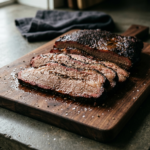
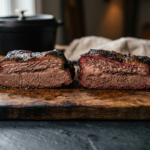
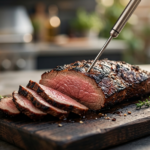
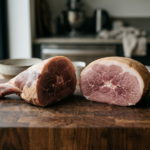
A blue steak shows up at your table almost completely red inside, barely warm in the center, with just a whisper of sear on the outside. Your dining companion looks over and says, “That can’t be safe to eat.”
It’s a fair reaction. We’ve all been taught that undercooked meat can make you sick. So is blue steak safe, or are you rolling the dice every time you order one?
The short answer: yes, blue steak is generally safe for most healthy adults, as long as you start with a quality whole-muscle cut and sear the exterior properly. The bacteria that cause foodborne illness live on the surface of whole cuts of beef, not deep inside the muscle. A quick, high-heat sear kills those surface pathogens, even if the inside stays almost raw.
That said, there are real caveats. Not every steak, every person, or every situation makes blue steak a good idea. Let’s break all of that down.
What Is Blue Steak, Exactly?
Blue steak — sometimes called blue rare steak — is the least-cooked doneness you can order. The steak is seared on the outside for a very short time (often under a minute per side) and left almost entirely raw inside.
The name “blue” comes from the slightly purplish-blue hue that fresh, uncooked beef has before it’s exposed to oxygen for long. Once you cut into a blue steak, you’ll see a deep red, cool center that’s only barely been affected by heat.
The blue steak internal temp typically falls between 115°F and 120°F (46–49°C). For comparison, a rare steak sits around 120–130°F, and the USDA recommends cooking all steaks to 145°F. So blue steak is well below standard food safety guidelines — which is exactly why people ask whether it’s safe.
If you want a deeper look at different doneness levels side by side, our steak doneness guide covers everything from blue through well-done.
Why Blue Steak Is Safer Than You’d Think
The key to understanding blue steak safety comes down to how bacteria behave on whole cuts of beef versus ground beef.
Surface contamination vs. interior contamination. Harmful bacteria like E. coli and Salmonella are introduced during processing — when the animal is butchered and the meat is handled. These pathogens sit on the exterior surface of the steak. The interior of an intact muscle is essentially sterile.
This is fundamentally different from ground beef. When beef is ground, the surface bacteria get mixed throughout the entire batch. That’s why a hamburger needs a higher internal temperature to be considered safe — you can’t just sear the outside and call it done.
With a whole-muscle steak, that exterior sear is doing the heavy lifting. Even a 30-second sear on each side at high heat reaches temperatures well above 300°F on the surface — more than enough to destroy common foodborne pathogens.
So the logic is straightforward: if the bacteria are on the outside, and you kill them with a hard sear, the cool interior isn’t the problem.
Blue Steak vs. Rare Steak: What’s the Actual Difference?
People sometimes use “blue” and “rare” interchangeably, but they’re not the same thing.
| Blue Steak | Rare Steak | |
|---|---|---|
| Internal Temp | 115–120°F | 120–130°F |
| Center Color | Deep red to purple, cool to the touch | Red, slightly warm |
| Texture Inside | Soft, almost raw, very little firmness | Soft but with some resistance |
| Sear Time | Typically under 60 seconds per side | About 1–2 minutes per side |
| Warmth | The center feels room temperature or cooler | The center is slightly warm |
The blue steak vs rare steak distinction matters because blue steak has significantly less internal heat penetration. A rare steak’s center reaches warm enough temperatures that some protein coagulation happens — which is why it has slightly more structure. Blue steak barely gets there.
Both are generally considered safe for the same reasons (surface sear, whole-muscle cut), but the margin of safety is a bit thinner with blue steak. You’re relying entirely on that sear and on the integrity of the cut.
When Blue Steak Becomes Risky
Saying blue rare steak is “safe” comes with conditions. Here’s where things can go sideways.
The Wrong Cuts
Not all steaks are good candidates. Blue steak works best with dense, whole-muscle cuts:
- Filet mignon / tenderloin
- Ribeye (boneless, quality grade)
- New York strip
- Sirloin (higher grades)
Cuts that have been mechanically tenderized — where small needles or blades pierce the meat to break down fibers — are a different story. That process pushes surface bacteria into the interior of the steak, which eliminates the whole “the inside is sterile” argument. Many supermarket steaks are mechanically tenderized, and the labeling isn’t always obvious.
Quick Fact: The USDA requires mechanically tenderized beef to be labeled, but the label can be easy to miss. If you’re planning to eat steak blue, check the packaging or ask your butcher directly.
If you’re interested in how different cuts compare for grilling and cooking, our New York strip vs. ribeye comparison or porterhouse vs. ribeye breakdown might help you choose.
The Wrong Source
Freshness and sourcing matter a lot at this doneness level. A blue steak from a reputable butcher who handles their meat well and turns over inventory quickly is a very different proposition from a steak that’s been sitting in a supermarket case for several days past its pack date.
The longer beef sits, the more time surface bacteria have to multiply. At higher doneness levels, the extended cooking time compensates. At blue, there’s no backup plan — the sear is your only line of defense.
The Wrong Person
Eating blue steak risks are higher for certain groups:
- Pregnant women
- Young children
- Elderly adults
- People with compromised immune systems
- Anyone on immunosuppressive medications
For these groups, the standard recommendation is to cook all beef to at least 145°F. The risk from blue steak might be statistically small for a healthy adult, but the potential consequences are more severe for people in these categories.
The Wrong Handling
Cross-contamination in the kitchen is another factor people overlook. If the same cutting board, plate, or tongs used for raw steak touches the finished product, you’ve potentially reintroduced the exact bacteria that the sear was supposed to eliminate.
This applies whether you’re cooking at home or a restaurant is cooking for you. Good restaurants follow strict separation protocols. At home, it’s easy to get careless — especially when the cooking time is so short that you barely have time to think about it.
How Restaurants Handle Blue Steak Safely
Most high-end steakhouses and restaurants that serve blue steak follow a specific process:
They start by selecting high-quality, fresh, whole-muscle beef. The steak is typically brought closer to room temperature before cooking (cold steak + short cook time = an even colder center, which some people find unpleasant). Then it gets an intense, very high-heat sear — often on a screaming-hot cast iron pan, flat-top, or open flame — for just long enough to brown the exterior.
Some chefs will also briefly sear the edges where the knife cut through during portioning, since those exposed surfaces are technically “new” exterior.
The whole process takes maybe two to three minutes total.
One detail that’s easy to overlook: restaurants that serve blue steak regularly tend to have higher meat turnover, which means fresher product. A steakhouse that moves through 50 ribeyes a night is working with very different inventory freshness than a fridge that’s had the same steak sitting in it since last Tuesday.
Cooking Blue Steak at Home
Can you safely cook a blue steak at home? Yes, but you need to be more deliberate about it than a restaurant would.
Start with the right steak. Buy from a butcher you trust, or from a high-quality source. Make sure it’s a whole-muscle cut. Confirm it hasn’t been mechanically tenderized or blade-tenderized. Use it within a day or two of purchase — don’t pull it from the back of the freezer and call it good enough.
Get your pan or grill extremely hot. This isn’t the time for medium heat. You want the surface of the steak to hit searing temperatures almost instantly. Cast iron works well. If you’re using a gas grill, crank it to maximum and let it preheat thoroughly.
Sear every exposed surface. Don’t forget the sides. Any surface that was cut during butchering is a surface where bacteria could be living. Use tongs to press and sear each edge briefly.
Use a meat thermometer. Even for blue steak, knowing the blue steak temperature at the center confirms you’ve hit the 115–120°F range rather than leaving it completely cold. If you’re not sure how to read a meat thermometer correctly, it’s worth a quick refresher — a few degrees makes a real difference at this doneness level.
Practice clean handling. Fresh plate for the finished steak. Clean tongs. Don’t put the seared steak back on the surface where the raw steak was sitting.
What About Parasites?
Bacteria get most of the attention in food safety conversations, but some people worry about parasites in undercooked beef — tapeworm being the most commonly mentioned.
The risk of parasitic infection from commercially raised beef in the United States, Canada, the EU, and Australia is extremely low. Modern farming practices, veterinary inspection, and meat processing standards have made this a near-negligible concern for commercially available beef. Freezing beef to specific temperatures for specific durations also kills most parasites, and a lot of commercially processed beef has been frozen at some point in the supply chain.
That said, if you’re sourcing beef from small local farms, wild game, or international sources with different inspection standards, the calculation changes. Know your source.
Stored and Leftover Blue Steak
This is a small but practical point people rarely mention.
If you cook a blue steak and don’t finish it, treat the leftovers like you would any cooked meat — refrigerate within two hours and consume within three to four days. Our guide on how long cooked steak lasts in the fridge covers storage details more thoroughly.
Reheating leftover blue steak will obviously push it past blue doneness, so don’t expect the same experience the second time around.
The Honest Bottom Line
Is blue rare steak safe to eat? For a healthy adult eating a properly sourced, properly seared, whole-muscle cut of beef — yes. The science supports it. Restaurants around the world serve it daily without incident.
But “safe” comes with a built-in condition: you’re doing everything right. The right cut, the right source, the right sear, the right handling. Skip any of those steps and the risk goes up.
If you’re in a high-risk group, it’s smarter to stick with at least medium-rare or above. If you’re at home and not confident about the source or freshness, cook it a little longer. There’s no prize for eating the rarest steak possible.
And if you love steak but want to explore how different temperatures and techniques affect flavor and texture, our steak doneness guide is a solid place to keep exploring.
FAQ
Is blue steak legal to serve in restaurants?
Yes, in the United States and most countries, restaurants can legally serve steak at any doneness the customer requests. Some establishments may include a consumer advisory notice on the menu warning that undercooked meats carry additional risk, which is often required by local health codes. But there’s no law prohibiting blue steak.
Can any cut of beef be cooked blue?
Technically, but not safely or enjoyably. Blue steak works best with premium, whole-muscle cuts like tenderloin, ribeye, and strip steak. Tougher cuts with a lot of connective tissue won’t taste good barely cooked. And any cut that’s been mechanically tenderized shouldn’t be served blue, since the tenderizing process can push surface bacteria into the interior.
Does freezing steak make it safer to eat blue?
Freezing can kill certain parasites, but it doesn’t eliminate bacteria — it just pauses their growth. Once the steak thaws, bacterial activity resumes. So freezing isn’t a substitute for a proper sear. That said, the fact that most commercial beef has been frozen at some point in the supply chain does reduce the already low parasite risk.
What’s the difference between blue steak and steak tartare?
Steak tartare is completely raw — no cooking at all. Blue steak gets a brief sear on the exterior. The safety logic is similar (whole-muscle beef, surface contamination), but tartare carries slightly more risk because there’s no heat applied. Tartare is also typically prepared with very fresh, high-quality beef that’s been carefully trimmed and sometimes briefly frozen.
I ordered blue steak and it arrived cold in the center. Is that normal?
Yes. A cold or room-temperature center is the defining characteristic of blue steak. The blue steak internal temp of 115–120°F means the center will feel barely warm at most — sometimes genuinely cool. If that’s not appealing to you, rare (120–130°F) gives you a warmer center with a similar softness.