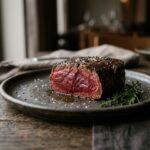
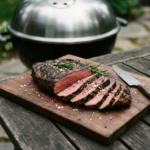
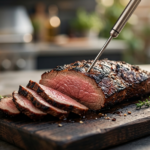
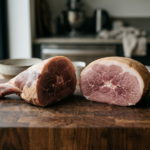
The difference between a prime and choice brisket isn’t some night-and-day transformation. Both can produce excellent barbecue. Both come from the same cut on the animal. And both have turned out competition-worthy results in the hands of skilled pitmasters.
So why does a USDA prime brisket cost $2–4 more per pound? And is that gap justified when you’re about to spend 12+ hours babysitting a smoker?
That’s the real question most people are working through — not just “what’s the difference,” but whether the upgrade is worth it for their setup, their skill level, and their budget. Let’s break it all down honestly.
What USDA Brisket Grades Actually Mean
Before comparing prime vs choice brisket side by side, it helps to understand what the grading system measures — and what it doesn’t.
The USDA grades beef based primarily on two factors: the maturity of the animal and the amount of intramuscular marbling visible in the ribeye muscle between the 12th and 13th ribs. That’s it. The grade is assigned to the entire carcass, not to individual cuts. So when your brisket carries a Prime or Choice stamp, that grade was determined by looking at a completely different part of the animal.
This is a detail most people overlook. Your brisket’s actual marbling might not perfectly reflect the grade stamped on the package. A well-marbled choice brisket from the upper end of the Choice range can look remarkably similar to a lower-end Prime brisket. The grades represent a spectrum, not hard boundaries.
There are eight USDA beef grades total, but only three matter for retail consumers:
- Prime — the highest grade, representing roughly 8–9% of all graded beef in the U.S. Heavy, abundant marbling throughout the meat.
- Choice — the most common grade at retail, accounting for around 50–55% of graded beef. Moderate marbling, with a noticeable range from “low Choice” to “high Choice.”
- Select — leaner, less marbling, generally not ideal for low-and-slow brisket.
When you’re deciding between a prime grade brisket and a choice grade brisket, you’re really deciding how much intramuscular fat you want running through that meat before it ever hits the smoker.
The Actual Differences Between Prime and Choice Brisket
Let’s get specific about what changes between these two brisket grades — and what stays the same.
Marbling and Fat Content
This is the big one. Prime brisket has more fat threaded through the lean muscle fibers. During a long cook, that intramuscular fat renders slowly, keeping the meat moist from the inside out. Choice brisket has less of this internal fat, which means there’s a smaller margin for error during cooking.
Worth noting: both grades will still have an external fat cap. The fat cap isn’t part of the grading equation. Two briskets — one Prime, one Choice — can have nearly identical fat caps but very different marbling inside the flat and point.
Texture and Tenderness
More marbling generally means a more tender finished product. Prime brisket tends to have that “melt in your mouth” quality, especially in the flat, which is the leaner section of the brisket. Choice brisket can absolutely get tender too, but it usually requires a bit more attention during the cook — proper wrapping, careful temperature management, and not overcooking the flat.
Flavor
Here’s where opinions get strong. Some pitmasters swear they can taste the difference. Others say the smoke, the rub, and the cooking method dominate flavor far more than the grade does. In practice, the flavor difference is subtle. A well-cooked choice brisket with a solid bark and clean smoke will beat a poorly managed prime brisket every single time.
Price
Prime brisket typically runs $5–8 per pound at most retailers, while choice brisket sits around $3–5 per pound. On a full packer brisket weighing 12–16 pounds, that price gap adds up fast — sometimes $30–60 more for Prime. At warehouse stores like Costco or Sam’s Club, the gap tends to be smaller, but Prime availability varies by location.
Availability
Choice brisket is easy to find almost anywhere — grocery stores, butcher shops, warehouse clubs. Prime brisket is trickier. Many regular grocery stores don’t carry it consistently. You’ll have better luck at Costco, specialty butchers, or online meat suppliers. If you’re planning a cook around a specific date, ordering Prime ahead of time is usually a smart move.
A Quick Side-by-Side Look
| Feature | Prime Brisket | Choice Brisket |
|---|---|---|
| Marbling level | Abundant | Moderate |
| Typical price per pound | $5–$8 | $3–$5 |
| Forgiveness during long cooks | Higher | Lower |
| Availability | Specialty/warehouse stores | Widely available |
| Flavor difference | Slightly richer | Still excellent with good technique |
| Best for | Cooks who want maximum margin for error | Budget-conscious cooks or experienced pitmasters |
Does Prime Always Mean a Better Brisket?
Not necessarily, and this is where a lot of buyers get tripped up.
A Prime stamp guarantees heavier marbling in the carcass overall. It doesn’t guarantee that your specific brisket will have perfect marbling distribution. You can pick up a Prime packer where the flat is beautifully marbled but the point isn’t dramatically different from Choice. The reverse happens too.
The single most reliable way to judge a brisket — regardless of grade — is to look at the actual meat through the packaging. Check the flat for visible white streaks of fat running through the lean. Bend the brisket slightly if you can; a good one will flex and feel pliable, not stiff like a board. A stiff brisket often indicates less fat and more connective tissue that hasn’t been aged long enough.
One detail worth flagging: some stores sell “ungraded” brisket, especially from smaller regional packers. Ungraded doesn’t mean bad — it just means the producer didn’t pay for USDA grading. These can sometimes be Choice-equivalent or better at a lower price. But you’re guessing without the stamp.
When Choice Brisket Is the Smarter Buy
There’s a persistent idea in BBQ culture that if you’re not cooking Prime, you’re settling. That’s simply not true.
Choice brisket makes more sense in several common scenarios:
You’re still learning. If you’ve only smoked a handful of briskets, spending top dollar on Prime doesn’t guarantee a better result. The learning curve with brisket is steep — managing stalls, knowing when to wrap, understanding what temperature brisket is done at — and those skills matter more than the grade on the label. A choice grade brisket gives you room to practice without the financial sting of a failed cook.
You’re cooking for a crowd. When you need two or three briskets for a party, the math gets real. Saving $40–60 by going Choice across multiple briskets lets you put that money toward sides, drinks, or better wood.
Your technique is dialed in. Experienced pitmasters who know their smoker, their wrapping method, and their timing can make Choice brisket taste phenomenal. The gap between a well-executed Choice and a well-executed Prime is genuinely small. If you already know the best temp to smoke brisket on your setup and you’ve nailed your process, Choice delivers excellent results.
You’re braising or pot-roasting. For wet-heat cooking methods where the meat sits in liquid for hours, the marbling advantage of Prime matters even less. The liquid and low temperature do the tenderizing work. This is more relevant if you’re comparing chuck roast vs brisket for a braise, but it applies to brisket preparations beyond traditional smoking too.
When Prime Brisket Is Worth the Splurge
Prime earns its price tag under specific circumstances.
Competition cooks. When judges are comparing your brisket slice against dozens of others, that extra marbling creates a richer bite and a juicier texture that stands out. Competition circuits heavily favor Prime for good reason.
Special occasions. If you’re cooking one brisket for an important event — a holiday, an anniversary, a milestone — the extra cost is minor relative to the occasion. Going Prime removes one variable from the equation.
Newer smokers or setups you haven’t mastered. This sounds counterintuitive after what was said above, but hear it out. If you’re cooking on unfamiliar equipment — say, you just bought a new pellet grill or switched from charcoal to an offset — Prime brisket’s extra fat gives you more cushion while you figure out hot spots and temperature swings. The marbling acts like insurance against the flat drying out.
You tend to overcook. If your briskets tend to come out a little dry or tough, Prime’s additional intramuscular fat can compensate partially. It won’t fix a fundamentally broken process, but it smooths out small mistakes.
The Flat Is Where the Grade Matters Most
A whole packer brisket has two muscles: the flat and the point. The point is naturally fattier, almost regardless of grade. It’s the flat — the leaner, thinner section — where marbling differences between Prime and Choice really show up.
On a Choice brisket, the flat can dry out faster during the cook, especially if you’re not wrapping at the right time. Knowing what temp to wrap brisket becomes more critical with Choice because you don’t have as much internal fat to protect the meat.
On a Prime brisket, the flat stays more forgiving. The extra marbling renders during the cook and keeps the flat moist even if you push the internal temperature slightly past ideal. This doesn’t mean you can ignore the flat — it still needs attention — but Prime gives you a wider window.
If you’re planning to separate the flat and point, or if you typically slice your brisket with a focus on flat slices for presentation, the grade upgrade matters more than if you’re chopping everything for sandwiches.
What About Wagyu Brisket?
Some people researching prime vs choice brisket eventually stumble into Wagyu territory and wonder how it fits. Wagyu brisket — whether American Wagyu or imported Japanese — sits in a different category entirely. The marbling is significantly heavier than even USDA Prime, and the price reflects that ($8–15+ per pound for American Wagyu, much more for Japanese).
Wagyu brisket cooks differently too. All that extra fat means the cook can be shorter, and the texture is almost buttery. It’s a completely different experience, and not always what traditional BBQ enthusiasts are looking for. If you’re curious about premium beef classifications, our comparison of Wagyu vs Kobe beef covers that distinction in detail.
For most home cooks deciding between brisket grades, the practical choice comes down to Prime or Choice. Wagyu is a luxury detour, not a standard decision.
Tips for Getting the Best Brisket Regardless of Grade
The grade stamped on the label is just one factor. These practical steps matter just as much:
- Pick the right size. A packer brisket between 12–16 pounds gives you a good balance of flat and point. Briskets under 10 pounds often have thin flats that dry out easily.
- Check flexibility. Pick the brisket up from one end. If it drapes and bends easily, that’s a sign of good fat distribution and proper aging. A rigid brisket, Prime or Choice, can still underperform.
- Look at the flat. Flip the package and examine the flat side. Visible streaks of white fat through the lean are your friend. If the flat looks uniformly red with no marbling, expect a tougher cook.
- Know your portions. Planning how much to buy? A raw brisket yields roughly 50–60% of its weight after cooking, trimming, and moisture loss. Our brisket per person guide breaks this down further.
- Factor in your smoker type. Offset smokers, pellet grills, kamados, and charcoal setups all handle brisket differently. Hotter-running smokers or those with less humidity may benefit from Prime’s extra fat.
FAQ
Is choice brisket good enough for smoking?
Absolutely. The vast majority of smoked brisket you’ve eaten at restaurants and BBQ joints was likely Choice. With proper trimming, seasoning, wrapping, and temperature control, choice grade brisket produces tender, flavorful results. It just requires a bit more attentiveness during the cook compared to Prime.
Can you tell the difference between prime and choice brisket after smoking?
In a blind taste test, the difference is subtle. Most casual eaters can’t consistently distinguish between the two when both are cooked well. The difference becomes more noticeable in the flat, where Prime tends to be juicier. Experienced tasters may pick up on a slightly richer mouthfeel with Prime.
Where is the best place to buy prime brisket?
Costco is one of the most reliable and affordable sources for USDA Prime packer briskets. Specialty online retailers like Snake River Farms and Crowd Cow also carry Prime brisket with delivery options. Local butcher shops sometimes stock Prime, but availability and pricing vary widely.
Is there a grade between Prime and Choice?
No. Prime is the highest USDA grade, and Choice is the next tier down. There’s no intermediate classification. That said, the top end of the Choice spectrum overlaps closely with the lower end of Prime in terms of actual marbling visible in the meat.
Does the grade affect how long you smoke a brisket?
Not significantly. Cook time depends more on the size of the brisket, your smoker’s temperature, humidity, and whether you wrap. A 14-pound Prime brisket and a 14-pound Choice brisket smoked at the same temperature will finish in roughly similar timeframes. If you’re curious about timing, our guide on how long to smoke brisket at 225 covers this in detail.
The Bottom Line
The prime vs choice brisket debate doesn’t have a single right answer — it depends on your goals, your budget, and honestly, how much you trust your own cooking process.
If you want every possible advantage and cost isn’t a major concern, Prime brisket gives you more fat, more forgiveness, and a slightly richer finished product. If you’re confident in your technique or cooking multiple briskets at once, Choice delivers excellent barbecue at a significantly lower cost.
The best brisket you’ll ever make comes down to picking a well-marbled piece of meat (regardless of the grade stamp), managing your fire well, wrapping at the right time, and pulling it when it’s truly tender — not just when a thermometer hits a number. Nail those fundamentals, and both grades will reward you.