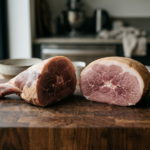
Most pork shoulder recipes tell you to smoke low and slow at 225°F. And that works. But it also means you’re looking at 12, 14, sometimes 16+ hours for a full-sized butt. That’s a long day — and an early alarm.
Smoking pork shoulder at 275 shaves hours off the cook without sacrificing the tender, pull-apart texture you’re after. The bark still forms. The fat still renders. The connective tissue still breaks down into that silky, shreddable goodness. You just get there faster.
The key question most people have is simple: how long to smoke pork shoulder at 275? The short answer is roughly 45 to 60 minutes per pound, depending on the size of the cut, your smoker, and whether you wrap. For a typical 8-pound bone-in pork shoulder, that puts you in the range of 6 to 8 hours — a massive improvement over the 225°F timeline.
But timing alone doesn’t make great pulled pork. Let’s walk through the entire process so you know exactly what to do, what to watch for, and where things can go sideways.
Why 275°F Works for Pork Shoulder
Pork shoulder (also called pork butt or Boston butt) is loaded with collagen, intramuscular fat, and tough connective tissue. That’s actually what makes it perfect for smoking. All that collagen needs sustained heat to convert into gelatin — the stuff that makes the meat juicy and tender instead of chewy.
This conversion happens most efficiently between 160°F and 205°F internal temp, and it doesn’t care much whether the smoker is set to 225 or 275. What matters is that the meat spends enough time in that zone for the collagen to fully break down.
At 275 degrees, the pork shoulder moves through the lower temperature range faster, but it still lingers plenty long in the critical breakdown window. You’re not rushing the chemistry — you’re just spending less time waiting for the meat to reach that zone in the first place.
One detail worth understanding: higher pit temperatures do create a slightly different bark. At 275, the exterior dries out and firms up a little faster, which can produce a thicker, crunchier bark compared to the softer bark you sometimes get at 225. Most people actually prefer this. If you like bark with some bite to it, pork shoulder at 275 degrees delivers.
Choosing and Prepping the Meat
Bone-in pork shoulder (or bone-in Boston butt) in the 7 to 10 pound range is ideal. The bone adds flavor and helps the meat retain moisture. Boneless works too, but it tends to cook a bit faster and can dry out slightly more around the edges.
Look for good marbling — white streaks of fat running through the meat. A thick fat cap on one side is normal and useful.
Trimming
You don’t need to go overboard. Trim the fat cap down to about ¼ inch. Leaving some fat protects the meat from the heat, but a cap that’s too thick won’t render fully at 275 and you’ll end up peeling off a rubbery layer at the end.
Remove any loose flaps or dangling pieces of meat. They’ll overcook and turn into jerky long before the rest is done.
Seasoning
A simple rub works beautifully. Equal parts brown sugar, paprika, garlic powder, onion powder, salt, black pepper, and a little cumin if you like warmth. Apply it generously — pork shoulder is a big cut and it can handle bold seasoning.
Pro Tip: Apply your rub the night before and let the shoulder sit uncovered in the fridge. The surface dries out slightly, which helps form a better bark once it hits smoke.
You can also use a binder like yellow mustard or olive oil before the rub. It doesn’t affect flavor much — it just helps the rub stick during the first hour of cooking.
Setting Up Your Smoker
Whether you’re using an offset, a pellet grill, a kamado, or a Weber kettle, the goal is the same: stable heat at 275°F with clean smoke.
A few things to get right before the meat goes on:
- Preheat fully. Let the smoker run at 275 for at least 15–20 minutes before loading the pork. This stabilizes the temperature and burns off any initial acrid smoke.
- Use a reliable thermometer. Built-in smoker thermometers can be off by 25–50 degrees. A digital probe placed at grate level tells you what’s actually happening where the meat sits.
- Choose your wood. Hickory, cherry, apple, and pecan all pair well with pork. Hickory gives a stronger, more traditional smoke flavor. Fruit woods are milder and slightly sweet. If you’re unsure, a mix of hickory and apple is a safe starting point. For a deeper dive into wood choices, check out this comparison of hickory vs mesquite — though mesquite is generally too aggressive for pork shoulder.
If you’re working with a pellet grill, getting the temperature to 275 is straightforward — just set it and let the controller do its thing. Some pellet grill models handle this temp better than others. If you’re comparing options, this pellet grill vs gas grill breakdown covers the key differences.
Fat Cap Up or Down?
This debate never ends. Here’s the practical version: if your heat source is below the meat (most offset and pellet smokers), fat cap down gives the meat a layer of insulation from direct heat. If heat comes from above or circulates evenly, fat cap up lets the fat baste the meat as it renders.
Either way, it’s not going to ruin your cook. Pick one and stay consistent.
The Cook: What to Expect Hour by Hour
Here’s a realistic timeline for smoking an 8-pound bone-in pork shoulder at 275. Your cook will vary, but this gives you a solid framework.
| Phase | Time Frame | Internal Temp | What’s Happening |
|---|---|---|---|
| Early smoke | Hours 1–3 | 100°F–155°F | Bark starts forming, smoke absorbs, fat begins rendering |
| The stall | Hours 3–5 | 155°F–170°F | Internal temp plateaus as moisture evaporates from the surface |
| Push through (or wrap) | Hours 5–7 | 170°F–200°F | Collagen breaks down, meat becomes increasingly tender |
| Finishing | Hours 7–8 | 200°F–205°F | Probe slides in like butter, pull from smoker |
The Stall
Even at 275, you’ll hit the stall — that frustrating period where the internal temperature seems stuck around 155–170°F. It happens because moisture evaporating from the meat’s surface cools it at roughly the same rate the smoker heats it. Think of it like sweating on a hot day.
At 275, the stall is shorter than at 225. The higher ambient temperature overpowers the evaporative cooling faster. But it still happens, and it can last an hour or more.
This is the point where wrapping becomes a decision.
To Wrap or Not to Wrap
Wrapping the pork shoulder partway through the cook — usually when internal temp hits about 165°F — speeds things up and keeps the meat moist. It also softens the bark.
Wrapping Options
- Butcher paper: Lets some moisture escape, preserves more bark texture, adds maybe 30–45 minutes compared to foil. This is the preferred choice for most competition pitmasters. Here’s a helpful look at butcher paper vs parchment paper if you’re unsure which to grab.
- Aluminum foil: Creates a tighter seal, pushes through the stall fastest, but can make the bark soft and steamy. Sometimes called the “Texas crutch.”
- No wrap: Longest cook time, best bark, but the meat can dry out slightly more around the edges. Works best if your smoker holds moisture well (kamado-style cookers are great for this).
At 275, wrapping in butcher paper is the sweet spot for most cooks. You get a faster finish without turning your bark into mush.
When Is It Done?
Forget about time. Forget about a specific temperature number. Pork shoulder is done when it’s probe tender.
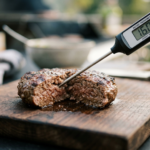
That said, the magic zone is usually between 200°F and 205°F internal temperature. At this range, the collagen has fully converted, and a thermometer probe or toothpick should slide into the thickest part of the meat with almost no resistance — like pushing into warm butter.
Some shoulders hit this texture at 198°F. Others stubbornly hold on until 207°F. The number on the thermometer is a guide. The probe feel is the real test.
If you’re interested in understanding how to read a meat thermometer properly, that’s worth reviewing — especially if you’re new to smoking.
One thing that catches people off guard: the bone. If you’re probing near the bone, you’ll get a false reading. Always probe the thickest part of the meat, away from the bone, in at least two spots.
The Rest: Don’t Skip This
Pulling the pork shoulder off the smoker and shredding it immediately is one of the most common mistakes. The meat needs to rest.
Resting allows the juices — which are actively moving and under pressure from the heat — to redistribute throughout the meat. Cut into it too soon and those juices pour out onto the cutting board instead of staying in the pork.
Wrap the finished shoulder in foil (if it isn’t already), then in an old towel, and place it in a dry cooler. It’ll stay hot for 2 to 4 hours this way, and the texture actually improves during this time. A minimum of 30 minutes is essential. An hour is better. Two hours is ideal.
This cooler rest also makes your timing more flexible. If the pork finishes earlier than you expected — which happens more often when you smoke pork butt at 275 — just let it rest longer. It’s incredibly forgiving.
Pulling and Serving
Once rested, remove the bone (it should slide right out) and start pulling the meat apart with forks, claws, or your hands if it’s cool enough. Remove any large chunks of unrendered fat.
Mix some of the collected juices from the wrapping back into the pulled pork. That liquid is loaded with flavor and keeps the meat from drying out after shredding.
Serve it plain, with your favorite sauce on the side, on buns, over rice, in tacos — honestly, good pulled pork works with almost anything.
If you’re curious about the internal temp targets for pulled pork and want a deeper breakdown, that guide covers the details.
Pork Shoulder vs. Pork Butt: Does It Matter?
People use these terms interchangeably, and for smoking purposes, the difference is minimal. Both come from the front shoulder area of the pig. The “butt” (Boston butt) is the upper portion — thicker, more marbled, and the most common cut sold for pulled pork. The “shoulder” (or picnic shoulder) is the lower portion, which includes more skin and a slightly different shape.
Either cut works at 275. Boston butt is easier to find and a bit more forgiving. If you want a detailed comparison, here’s a breakdown of Boston butt vs pork shoulder.
Troubleshooting Common Problems
Bark is too dark or bitter.
At 275, the bark develops faster. If your rub has a lot of sugar, it can burn before the meat is done. Reduce the sugar in your rub slightly, or wrap earlier (around 160°F internal) to prevent over-darkening.
Meat is done too early.
This happens. Pork butt at 275 can surprise you by finishing an hour or two ahead of schedule. Don’t panic — just rest it in a cooler. The meat holds beautifully.
Meat is tough or chewy.
You probably pulled it too soon. Even if the thermometer says 200°F, if the probe doesn’t slide in easily, keep cooking. Connective tissue breakdown isn’t purely temperature-dependent — it also needs time.
Dry pulled pork.
Usually caused by not wrapping, not resting, or not mixing the collected juices back in after pulling. A spritz of apple juice or apple cider vinegar during the cook (every 90 minutes or so after the first 2 hours) also helps.
FAQ
How long does it take to smoke pork shoulder at 275?
Plan for about 45 to 60 minutes per pound. An 8-pound bone-in pork shoulder typically takes 6 to 8 hours at 275°F, depending on whether you wrap and how consistent your smoker temperature stays.
Is 275 too hot for pork shoulder?
No. Pork shoulder is a tough, fatty cut with plenty of collagen. It can handle 275°F without drying out. The connective tissue still has plenty of time to break down at this temperature. Some pitmasters even push to 300°F, though the margin for error gets smaller.
Should I use a water pan when smoking at 275?
It’s not required, but it can help stabilize temperature and add humidity — especially in charcoal or stick-burning smokers. Pellet grills generally don’t need one. If your bark is forming too fast or the surface looks dry early on, a water pan is worth trying.
Can I smoke a pork shoulder at 275 overnight?
You can, but the cook time at 275 is shorter than at 225, so you might not need to. An 8-pound shoulder started at 6 AM could be done by early afternoon with time to rest. If you still prefer an overnight cook, set an alarm to check the temperature around the halfway mark.
What’s the difference between smoking at 225 and 275?
Mainly time. A pork shoulder at 225 might take 10–14 hours. The same cut at 275 finishes in 6–8 hours. The texture and flavor are very similar, though 275 tends to produce a slightly firmer bark. If you’ve smoked brisket before, you’ll notice a similar dynamic — here’s a look at how long to smoke brisket at 225 for comparison.
Smoking pork shoulder at 275 is one of those adjustments that feels like a cheat code once you’ve tried it. You get tender, juicy pulled pork without dedicating your entire day to babysitting a smoker. Keep your thermometer handy, don’t pull it until it’s probe-tender, and give it a proper rest. That’s really all it takes. Next time you’re looking at a 14-hour cook at 225 and wondering if there’s a better way — there is, and it’s 50 degrees warmer.