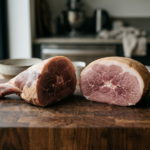
Both shoulder roast and chuck roast come from the front of the cow, and they’re often sitting right next to each other in the meat case. That proximity causes a lot of confusion. People grab whichever one looks better or costs less, assuming they’re basically the same thing.
They’re not.
The quick version: chuck roast has more marbling and fat, which makes it richer and more forgiving during long cooks. Shoulder roast (also called shoulder clod) is leaner, with a tighter grain, so it can dry out faster but slices more neatly. Both are excellent for slow cooking — they just behave differently in the pot, smoker, or oven.
The right pick depends on what you’re making, how you’re cooking it, and what texture you’re after. Let’s break it all down so you’re not guessing next time you’re standing at the butcher counter.
Where These Cuts Come From (And Why It Matters)
The front section of a cow — the area around the neck, shoulder blade, and upper legs — gets a heavy workout. That means lots of connective tissue, collagen, and muscle. Both cuts come from this general zone, but from different spots within it.
Chuck roast is cut from the chuck primal, which sits around the neck and shoulder blade area. It’s loaded with intramuscular fat (marbling) and connective tissue. That fat is what makes pot roast so rich — it melts during long, slow cooking and keeps the meat moist.
Shoulder roast — sometimes labeled shoulder clod, arm roast, or cross-rib roast depending on your region — comes from the muscles slightly lower and further from the spine. These muscles are worked harder and carry less fat. The meat is denser and leaner.
Think of it this way: if the chuck is the well-marbled, forgiving cut, the shoulder is the leaner, more muscular one. Both need slow cooking to break down their connective tissue, but they respond to that cooking differently.
One detail that’s easy to overlook: naming varies a lot by region and grocery chain. What one store calls a “shoulder roast” might be labeled “cross-rib roast” or “arm roast” somewhere else. If you’re unsure, ask the butcher which primal the cut comes from. That clears things up fast.
Flavor and Texture Side by Side
This is where the choice gets personal.
Chuck roast delivers a deeper, beefier flavor. All that marbling renders down during cooking and bastes the meat from within. The texture turns soft, almost falling-apart tender, which is exactly what you want for a classic pot roast or beef stew.
Shoulder roast tastes beefy too, but it’s a cleaner, less fatty flavor. The texture, when cooked properly, is firm but tender — closer to something you can slice neatly rather than shred. It won’t fall apart the same way chuck does, which is either a pro or a con depending on what you’re after.
Here’s a practical comparison:
| Chuck Roast | Shoulder Roast | |
|---|---|---|
| Fat content | Higher — well-marbled | Lower — noticeably leaner |
| Flavor | Rich, beefy, buttery | Clean, beefy, slightly milder |
| Texture after slow cooking | Shreds easily, falls apart | Holds shape better, sliceable |
| Connective tissue | Abundant | Moderate |
| Forgiving to cook? | Yes — fat keeps it moist | Less so — can dry out if overcooked |
| Price | Usually $1–2 more per pound | Slightly cheaper in most markets |
If you’ve ever made a pot roast that turned out a little dry or tough despite cooking it for hours, there’s a solid chance you were working with a shoulder cut rather than chuck. It wasn’t your technique — it was the lean meat losing moisture without enough fat to compensate.
Best Cooking Methods for Each Cut
Both cuts belong in the “low and slow” category. You wouldn’t grill either one like a steak. But the specific method you choose should match the cut’s strengths.
Chuck Roast
Chuck is the undisputed king of braising. Throw it in a Dutch oven with broth, aromatics, and vegetables at around 300–325°F for three to four hours, and you’ll get tender, shreddable meat swimming in a rich cooking liquid.
It also works beautifully for:
- Beef stew — the fat keeps cubes moist through long simmering
- Smoked chuck roast — sometimes called “poor man’s brisket” because the fat renders slowly on a smoker much like brisket does
- Shredded beef tacos or sandwiches — the pull-apart texture is ideal
- Mississippi pot roast or similar slow-cooker recipes — chuck practically sells itself in a slow cooker
If you’re comparing chuck roast to brisket, you’ll notice chuck is actually fattier per pound than a brisket flat, which is one reason smoked chuck can be so satisfying.
Shoulder Roast
Shoulder needs a bit more care. Because it’s leaner, it benefits from:
- Braising with plenty of liquid — this prevents the outer portions from drying out before the center is tender
- Pot roasting at a slightly lower temperature — 275–300°F gives the collagen more time to convert to gelatin without pushing moisture out too fast
- Slicing rather than shredding — if you want neat slices for a Sunday dinner plate, shoulder is actually the better choice
Shoulder roast is also a solid option when you want a leaner finished product. People watching fat intake sometimes prefer it for exactly this reason. Just know that you’ll need to compensate for the missing fat — either by adding liquid, wrapping tightly in foil partway through, or not overcooking it past the point of tenderness.
Pro Tip: If you’re braising a shoulder roast, check it about 30 minutes before you’d normally check a chuck roast of the same size. Shoulder can go from “perfectly tender” to “dry and stringy” faster because there’s less fat buffering the process.
Smoking These Cuts
Since this is a topic plenty of grill and smoker enthusiasts search for, it’s worth dedicating some attention here.
Smoked chuck roast has gotten very popular in recent years. At 225–250°F, a three- to four-pound chuck roast takes roughly five to six hours and produces something remarkably similar to brisket. The bark develops nicely, the fat renders, and the inside stays juicy.
If you’re considering the best temperature to smoke brisket, those same ranges work for chuck too. The big difference is size — chuck is much smaller, so it finishes faster and is more forgiving for beginners.
Smoking a shoulder roast is trickier. Because of the lower fat content, the meat can dry out during a long smoke. If you want to try it, consider:
- Keeping the smoker temperature at 225°F rather than going higher
- Spritzing with beef broth or apple cider vinegar every hour after the first two hours
- Wrapping in butcher paper or parchment paper once the bark has set to trap moisture
- Pulling it off the smoker when the internal temperature hits about 200–205°F (same target as brisket)
A shoulder roast won’t give you the same melt-in-your-mouth result as smoked chuck, but it’ll be good — especially if you slice it thin rather than trying to pull it.
Price and Availability
Chuck roast is one of the most popular cuts in the grocery store, so you’ll find it almost everywhere. Expect to pay more per pound than shoulder, though “more” usually means a dollar or two difference — not a massive gap.
Shoulder roast tends to be cheaper, partly because it’s less well-known and less in demand. In some stores, it’s tucked away or only available in larger pieces.
If you’re feeding a crowd on a budget, shoulder roast can be a smart play — just adjust your cooking method to account for the leanness.
Buying either cut in bulk from a butcher or warehouse store can save money compared to pre-packaged supermarket pricing. And if you’re buying a whole shoulder clod, you’re looking at a significantly larger piece of meat that can be broken down into multiple roasts or even steaks for braising.
Which One Should You Buy?
This comes down to three things: your recipe, your preferred texture, and how much attention you want to give the cooking process.
Go with chuck roast if:
- You’re making pot roast, stew, or shredded beef
- You want the most forgiving, hard-to-mess-up option
- You’re smoking beef for the first time and want something that acts like a smaller brisket
- You don’t mind a fattier finished product
Go with shoulder roast if:
- You want a leaner cut
- You’re planning to slice rather than shred
- You’re comfortable monitoring the cook more closely
- You’re making a roast for a dinner where presentation matters
- Budget is a significant factor
A common mistake is treating these two cuts identically in recipes. If a recipe specifically calls for chuck, swapping in a shoulder roast without adjusting the liquid or cook time can leave you disappointed. The reverse is less of a problem — chuck tends to do well even in recipes designed for leaner cuts because the extra fat just adds richness.
What About Other Similar Cuts?
People comparing shoulder and chuck roast often have follow-up questions about related cuts. Here’s a quick orientation:
Brisket comes from the chest area, not the shoulder. It’s leaner than chuck but has a unique grain structure that makes it ideal for smoking. If you’re curious, here’s a deeper look at what part of the cow brisket comes from.
Pork shoulder (Boston butt) is a completely different animal, literally. But it occupies a similar role — a tough, collagen-rich cut that becomes tender and shreddable with slow cooking. If you’re curious about the difference between Boston butt and pork shoulder, that’s a whole separate conversation.
Tri-tip is much leaner and comes from the bottom sirloin. It cooks faster and is better suited for grilling or roasting to medium-rare rather than braising. You can check tri-tip’s ideal internal temperature for more on that.
FAQ
Can I use shoulder roast instead of chuck roast in a slow cooker?
Yes, but add more liquid than the recipe calls for and check the roast earlier. Shoulder dries out faster than chuck in a slow cooker because it lacks the same fat protection. Adding a splash of broth and keeping the lid on tightly helps.
Which cut is better for shredding?
Chuck roast. The higher fat content and connective tissue break down into soft, easily-pulled strands. Shoulder roast can be shredded, but the result is often drier and more stringy unless you add moisture back in.
Is shoulder roast healthier than chuck roast?
If you’re specifically trying to reduce saturated fat intake, shoulder roast is the leaner option. Per serving, it has noticeably less fat while still providing similar protein. Whether “healthier” is the right word depends on your overall diet — both cuts are nutritious sources of protein, iron, and B vitamins.
Why is my shoulder roast tough even after slow cooking?
Two likely reasons: not enough liquid in the pot, or the internal temperature didn’t get high enough. Tough cuts need to reach around 195–205°F internally for the collagen to fully convert to gelatin. If you pulled it at 170°F or 180°F, it’ll still be chewy no matter how long it cooked at a low oven temperature.
Can I smoke a shoulder roast the same way I smoke a chuck roast?
You can, but expect a drier result. Wrapping partway through the cook and spritzing periodically are almost essential with shoulder. Chuck is much more forgiving on a smoker because its fat keeps the meat basted from within.
Picking the Right Roast Doesn’t Have to Be Complicated
Once you understand the fat content difference, everything else — flavor, texture, best cooking method, how forgiving the cook is — falls into place. Chuck is richer, more forgiving, and better for shredding. Shoulder is leaner, neater to slice, and a bit cheaper.
Next time you’re at the meat counter, ask yourself one question: do I want this to fall apart or hold its shape? That answer will point you to the right cut every time. And if you’re still not sure, chuck roast is the safer bet for almost any slow-cooking application — there’s a reason it’s the default for pot roast recipes across the board.