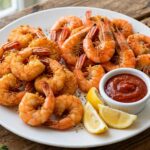
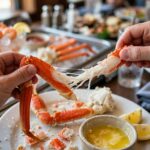
Put a plate of fried shrimp next to a pile of boiled shrimp and ask a Gulf Coast table which one is better, and you will get an argument that has been running for generations. Both sides are right, both sides are wrong, and everyone at the table will eat both anyway. It is not really a contest: two completely different ways of treating the same sweet Gulf shrimp, each one showing off something the other cannot.
The shrimp itself is the same starting point. The Gulf of Mexico produces about 80 percent of the total shrimp catch in the United States, and the white shrimp that comes out of those warm waters is the one most Gulf cooks reach for first. It is mild, sweet, and firm, turning pink and nearly transparent when done. Brown Gulf shrimp runs a little more robust, and plenty of old-timers prefer it, but the shrimp is delicate either way. A shrimp two or three inches long cooks in about two minutes; a bigger one might take five. Go past that and you get rubber, with no way back.
The case for fried shrimp
Fried shrimp is comfort food with a crunch. The shrimp are peeled, usually with the tail left on as a handle, seasoned, and dredged through flour, cornmeal, or a blend of the two. Some cooks add a buttermilk and egg dip in between, and a pinch of baking powder makes the coating lighter as it fries. Creole seasoning goes into the dredge, not just on top, so the flavor is in the crust itself.
The oil matters as much as the coating: a neutral oil with a high smoke point, canola, safflower, or peanut, heated to between 325 and 375 degrees Fahrenheit. Fry in small batches so the oil temperature does not crash, and the shrimp come out golden in a couple of minutes, crisp outside and juicy inside. Crowd the basket and you get soggy, oil-logged shrimp, the most common way to ruin a good batch.
What fried shrimp gives you is contrast. The crackle of the crust against the tender shrimp, the richness of the oil, the seasoning blooming in the heat. It is the shrimp at its most indulgent, which is why a fried shrimp platter with cocktail sauce and lemon is the first thing half the tables on the Gulf Coast order. The coating is also forgiving: a little extra seasoning in the dredge covers a multitude of sins, and the crust holds heat well on a buffet line if the pan is kept shallow and the shrimp are not stacked deep.
The trade-off is that frying hides the shrimp a little: the crust is the star, the shrimp the supporting role. That is fine when the crust is good. When it is thick, greasy, or bland, nothing underneath can save it.
The case for boiled shrimp
Boiled shrimp is the opposite philosophy: nothing between you and the shrimp except seasoned water, and that is the whole point. The pot gets the attention instead of the coating, water brought to a rolling boil with salt, bay leaves, lemon, garlic, and a heady, peppery shrimp boil blend that scents the whole kitchen. The shrimp go in shell-on, cook for two or three minutes until the shells turn pink and the flesh firms up, then come straight out and get drained.
Eaten this way, shrimp tastes like itself. Sweet, briny, a little oceanic, with the seasoning soaked into the meat rather than sitting on top of it. Peel-and-eat shrimp is the classic presentation: a pile in the middle of the table, cocktail sauce with enough horseradish to wake you up, lemon wedges, and everybody peeling their own. It is slower, messier, more social eating, and that is part of the pleasure.
Boiling is also the more honest test of the shrimp. There is no crust to hide behind. If the shrimp is fresh and sweet, boiling shows it off. If it is tired or overcooked, boiling shows that too, instantly. The seasoning water does the flavoring, the timing does the texture, and the shrimp does the rest.
It is also the lighter of the two by a wide margin: no oil, no breading, nothing fried. For anyone who wants the flavor of the Gulf without the heaviness of the fryer, boiled shrimp is the easy answer.
When each one wins
So which should you order? It depends on what you want from the meal.
Reach for fried shrimp when you want crunch and richness, when the meal matters more than the shrimp itself. A fried shrimp po’boy, a platter with fries and hushpuppies, a basket eaten with your hands at a beach shack: these are fried shrimp moments. The crust and seasoning give the shrimp a bolder personality, and the cocktail sauce or remoulade adds a second layer of flavor.
Reach for boiled shrimp when you want to taste the shrimp itself, when the meal is slower and more social, when you want something clean in the middle of a rich meal. Boiled shrimp is the palate cleanser of the Gulf table. It is also the better choice straight off a boil with corn and potatoes, where the whole spread is seasoned from the same pot. Our history of the Louisiana crawfish boil covers that tradition, and the shrimp boil is its close cousin, same pot, same seasoning, same crowd around the table.
And then there is the question of who caught them. Shrimping is hard, early-morning work, and the shrimp tastes better when you know where it came from. Our piece on life of a Louisiana shrimper follows a day on the water, worth reading before your next plate of either kind.
How a buffet serves both
A buffet is one of the few places where you do not have to choose, and that is exactly how it should be used. At Ombu, both traditions sit on the same line: boiled shrimp seasoned Cajun-style in the boiled seafood section, and fried shrimp among the hot dishes. The two preparations balance each other, and a good buffet plate uses both.
The trick is in the order and the handling. Fried shrimp is at its best in the first minutes out of the fryer, so on a buffet it is cooked in small batches through the service rather than piled up once. Take it while the crust is still crisp, and do not bury it under saucy dishes that will steam it soft. Boiled shrimp, on the other hand, holds beautifully. It can sit chilled or warm, peel-and-eat, and wait for you without losing anything. So start with a few boiled shrimp and cocktail sauce while you survey the line, then take the fried shrimp once you know what else is going on the plate.
Both kinds go from perfect to overdone in about a minute, and a buffet plate that sits while you wander the dessert station will not do either justice. Take the shrimp last, or close to it, and eat them while they are still at their best.
How to eat them well
For fried shrimp, lemon is not decoration. A squeeze over the crust right before eating brightens the richness and cuts through the oil. Cocktail sauce should have a real horseradish bite; if it tastes like plain ketchup, it is not doing its job. Dip, do not soak, or the crust you came for turns soggy in your hand.
For boiled shrimp, the peel is part of the ritual. Hold the tail, peel the shell away in a couple of pulls, and do not worry about being neat. If the shrimp are served with heads on, and some Gulf spots still do, the heads hold the richest flavor of all.
Shrimp size matters more than most people think. Bigger shrimp are more forgiving in both preparations, giving you a wider window before they overcook. Small shrimp can go from perfect to tough in seconds, especially in the fryer. Between two piles on a buffet line, the plumper shrimp are usually the safer bet.
Fried or boiled has no right answer; the Gulf Coast knows it. The real answer is both, on the same plate, eaten in the right order, while they are still at their best. Try the boiled first and taste the Gulf itself, then the fried, and taste what a good crust can do. If you still have a favorite after that, it is yours; nobody at the table will argue for long, because they will be too busy eating. And if you want the wider story of how seafood shapes the Louisiana calendar, our piece on seafood season and Lent in Louisiana is a good next stop.
Ombu Buffet serves lunch and dinner six days a week: Monday to Friday 11:30 AM to 9:30 PM, Saturday 11:00 AM to 9:30 PM, closed Sundays. Walk-ins welcome, no reservation needed. Boiled shrimp (Cajun seasoned) and fried shrimp are both on the buffet line.