If you’ve narrowed your smoking wood choices down to hickory and mesquite, you’re already in good shape. These two are the heavyweights of the smoking world, and either one can produce incredible food. But they’re not interchangeable — not even close.
The biggest hickory mesquite difference comes down to intensity. Mesquite burns hot and fast, delivering a bold, almost aggressive smokiness that can overpower food if you’re not careful. Hickory is strong too, but it’s more balanced — smoky with a subtle sweetness that plays well with just about any protein.
Choosing between hickory or mesquite for smoking isn’t really about which one is “better.” It’s about what you’re cooking, how long you’re cooking it, and what kind of flavor you actually want on the plate.
Let’s break it all down so you can pick the right wood with confidence.
How Hickory and Mesquite Actually Taste Different
This is the part most people care about, so let’s get specific.
Hickory wood flavor is rich, savory, and carries a bacon-like quality. That’s not an exaggeration — commercial bacon producers often use hickory for exactly this reason. It has enough punch to stand up to red meat, but it doesn’t bulldoze everything in its path. There’s a slight sweetness underneath the smoke, which helps build complexity in longer cooks.
Mesquite wood flavor is earthier, sharper, and significantly more intense. It’s the strongest-flavored smoking wood you can buy. Some people describe it as slightly bitter or tangy when used in large quantities. In small doses, it adds a distinctive, almost Southwestern character that’s hard to replicate with anything else.
Here’s a detail beginners often overlook: mesquite produces more creosote than hickory when it smolders at lower temperatures. Creosote is what gives food that unpleasant bitter, sooty taste. So if you’re smoking low and slow for hours, mesquite is much harder to manage cleanly than hickory.
Which Meats Work Best with Each Wood
This is where the smoking wood comparison gets practical. The right pairing can make a huge difference.
Hickory works well with:
- Pork ribs and pork shoulder
- Brisket
- Beef ribs
- Chicken (in moderation)
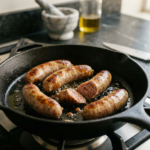
- Sausages
- Turkey
Mesquite works best with:
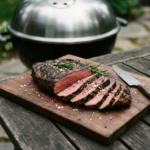
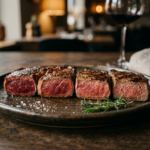
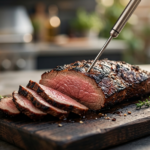
- Steaks and burgers (grilled hot and fast)
- Fajita meat
- Dark-meat poultry (shorter cooks)
- Game meats like venison or elk
- Beef jerky
- Quick-smoked fish
Notice the pattern? Hickory handles long cooks. Mesquite shines with shorter, hotter cooking methods.
A common mistake is loading up a smoker with mesquite chunks and running a 12-hour brisket. You’ll almost certainly end up with a harsh, bitter bark that’s hard to enjoy. That doesn’t mean you can’t use mesquite for brisket at all — but it takes a lighter touch, and we’ll get to that shortly.
The Hickory vs Mesquite Brisket Debate
Brisket is where this comparison gets the most heated (pun intended). Ask five pitmasters which wood they use for brisket, and you’ll get five strong opinions.
Here’s the practical reality. Most hickory vs mesquite brisket conversations boil down to geography and tradition. In Central Texas, post oak is king, but mesquite is common in South and West Texas where it grows like a weed. Across the rest of the country, hickory tends to dominate.
For a full packer brisket smoked at 225°F–250°F for 10+ hours, hickory is the safer and more forgiving choice. It builds a deep, well-rounded smoke flavor over those long hours without turning acrid. If you’re still working on your brisket technique, hickory gives you more room for error.
Mesquite can work for brisket, but experienced smokers typically do one of two things:
- Use mesquite only for the first 2–3 hours, then switch to a milder wood or let the residual heat carry the cook.
- Blend mesquite with a milder wood like oak or pecan — roughly a 30/70 or 40/60 split — to get that earthy mesquite character without the bitterness.
If you’re smoking your first brisket, or you’re still figuring out what temperature your brisket is done at, start with hickory. You can always experiment with mesquite blends once you’ve got your process dialed in.
Burn Characteristics and Heat Output
Flavor gets all the attention, but how these woods actually burn matters just as much for temperature control.
| Characteristic | Hickory | Mesquite |
|---|---|---|
| Heat output | High | Very high |
| Burn rate | Moderate, steady | Fast, intense |
| Smoke density | Medium-heavy | Heavy |
| Ease of temperature control | Easier | Harder |
| Creosote risk | Moderate | Higher |
| Best cooking style | Low and slow | Hot and fast |
Mesquite is one of the densest hardwoods available, which means it throws a lot of heat quickly. That’s great for grilling a steak over direct flame — you can get screaming-hot coals in less time. But in a smoker where you’re trying to hold 225°F for hours, that intensity works against you.
Hickory burns more predictably. It holds a steady temperature longer and produces a cleaner smoke at low temperatures. If you’re using a pellet grill or offset smoker, hickory pellets and chunks tend to behave more consistently across a long cook.
Quick Fact: Mesquite has one of the highest BTU outputs of any North American hardwood — roughly 28 million BTUs per cord compared to hickory’s approximately 27.7 million. The numbers are close, but mesquite releases that energy faster, which is why it burns hotter in shorter bursts.
Blending Hickory and Mesquite Together
You don’t have to pick one or the other. Blending is something a lot of competition pitmasters do, and it’s genuinely worth trying.
A 50/50 hickory-mesquite blend gives you the boldness of mesquite tempered by hickory’s sweeter undertones. For something more subtle, go heavier on the hickory — maybe 70% hickory, 30% mesquite.
Blending also works well when you mix either of these with a fruit wood like apple or cherry. Apple softens mesquite beautifully. Cherry and hickory together produce a gorgeous mahogany bark on ribs and pork shoulder.
One thing to keep in mind: if you’re blending, use mesquite sparingly at first. Its flavor compounds are more volatile and can dominate a blend faster than you’d expect. You can always add more on your next cook — you can’t take it away once it’s on the meat.
Where You Live Might Make the Decision for You
This is a practical point that a lot of online articles skip over. The best wood for smoking meat is sometimes just the wood that’s available and affordable in your area.
Mesquite grows abundantly across Texas, the desert Southwest, and parts of Mexico. If you live in those regions, mesquite is cheap, easy to find, and often sold fresh at roadside stands and local hardware stores.
Hickory is dominant across the eastern half of the United States — from the Appalachians through the Midwest and into the South. It’s widely available as chunks, chips, logs, and pellets at pretty much any store that sells grilling supplies.
If you’re ordering wood online, both are readily available. Just make sure you’re buying from a reputable source. Poorly seasoned wood — either variety — will produce excessive, bitter smoke that no technique can fix. Look for wood that’s been kiln-dried or naturally seasoned for at least six months.
Common Mistakes People Make with Both Woods
A few pitfalls come up over and over, whether you’re using hickory or mesquite.
Using too much wood. This is the number-one mistake with any strong smoking wood. Two or three fist-sized chunks are enough for most cooks in a standard smoker. More wood doesn’t mean more flavor — it means more creosote.
Not preheating the wood. If you toss cold chunks directly onto hot coals, you’ll get a burst of thick white smoke. That white smoke is acrid and full of combustion byproducts. You want thin, blue smoke. Let the wood catch and settle before closing the lid.
Soaking wood chips. The old advice to soak chips in water before smoking? It mostly just delays combustion and creates steam, not better smoke. If you want to moderate the smoke output, use fewer chips instead.
Ignoring airflow. Both hickory and mesquite need adequate oxygen to burn cleanly. If your smoker’s vents are mostly closed, the wood smolders and produces dirty smoke regardless of the species. Keep the exhaust vent at least partially open throughout the cook.
If you’re running into temperature or airflow issues with your smoker, a troubleshooting guide for your specific model can save a lot of frustration.
Hickory and Mesquite for Ribs and Pork
Ribs deserve their own mention because they’re one of the most popular smoking projects, and the wood choice genuinely affects the result.
For pork ribs — whether spare ribs or baby backs — hickory is the classic pick. The bacon-like quality of hickory smoke pairs naturally with pork. You’ll get a deep smoke ring, a rich bark, and a flavor that most people immediately associate with “real barbecue.”
Mesquite on pork ribs is trickier. A full rack of spare ribs might spend 5–6 hours in the smoker, and that’s long enough for mesquite to get aggressive. If you want that mesquite flavor on ribs, consider using mesquite for the first hour or two, then removing the wood or switching to something milder.
For pork shoulder and pulled pork, the same logic applies — hickory handles the long cook better. Mesquite can complement a shorter, hotter pork cook, but it’s not the standard choice for a 12-hour shoulder smoke.
If you’ve got leftover ribs from a big cook, knowing the best way to reheat them helps you enjoy that hard-earned smoke flavor the next day.
What About Chips vs Chunks vs Logs vs Pellets?
The form of the wood matters almost as much as the species, and this is true for both hickory and mesquite.
Chips burn fast and are best for short cooks or when you only want a light smoke flavor. They work in gas grills and electric smokers.
Chunks are the go-to for most home smokers — they burn longer than chips but don’t require a firebox designed for full logs. A few chunks will last 1–3 hours depending on your smoker temperature.
Logs are what you’d use in a traditional offset smoker where wood is the primary fuel source. Splitting and seasoning your own logs takes effort, but it gives you the most control over smoke production.
Pellets are compressed hardwood designed for pellet grills. Both hickory and mesquite pellets are widely available. The flavor from pellets tends to be milder than from chunks or logs because the compression and manufacturing process alters the wood’s combustion characteristics slightly.
If you’re comparing charcoal and wood smokers, your wood form choice will depend on your setup. Charcoal smokers typically work best with chunks added to the coal bed, while stick-burner offset smokers are designed around full logs.
Choosing Between Hickory and Mesquite: A Simple Framework
If you’ve read this far, you have a solid understanding of the differences. But here’s a quick way to think about the decision:
Choose hickory if:
- You’re smoking for more than 3–4 hours
- You’re cooking pork, poultry, or brisket
- You want a versatile, crowd-pleasing smoke flavor
- You’re still building your smoking skills
Choose mesquite if:
- You’re grilling steaks, burgers, or fajitas over high heat
- You want a bold, distinctive Southwestern smoke character
- You’re making jerky or smoking for a short duration
- You’re blending it with milder woods for a complex flavor profile
Neither wood is objectively better. They’re built for different jobs. Having both on hand is the real power move — it gives you flexibility to match the wood to the meat and the method.
FAQ
Can I use mesquite in a pellet grill for a long smoke?
You can, but go easy. Pellet grills feed wood continuously, so a 100% mesquite pellet load over 8+ hours can produce an overwhelmingly smoky result. Try a 50/50 blend of mesquite and a milder wood like oak or cherry pellets. Many pellet grill users mix their own blends right in the hopper.
Is hickory too strong for chicken?
Hickory can overpower chicken if you’re not careful, especially with bone-in breasts or a whole bird. The key is limiting smoke exposure — use just one or two small chunks and keep the cook time reasonable. Thighs and legs handle hickory better than white meat because the darker, fattier meat absorbs smoke more gracefully. Check your chicken thigh internal temps to avoid overcooking while waiting for smoke flavor to develop.
Which wood produces a better smoke ring?
Both hickory and mesquite produce excellent smoke rings. The smoke ring is caused by nitrogen dioxide reacting with myoglobin in the meat, and both woods generate plenty of it. Mesquite may produce a slightly more pronounced ring because of its higher combustion temperature, but the difference is minimal. Consistent low-temperature smoking and good airflow matter more than wood species.
What’s the best wood for a beginner smoker?
Hickory. It’s forgiving, widely available, and works with almost everything. You’ll learn how smoke interacts with food without the risk of mesquite’s intensity ruining a cook. Once you’re comfortable controlling your smoker and managing your fire, branching out to mesquite (and fruit woods, and oak) becomes much easier.
Can I mix hickory and mesquite in the same cook?
Absolutely. Plenty of people start with mesquite for the initial sear or the first hour of smoke, then add hickory for the remainder. This gives you the upfront punch of mesquite with hickory’s steadier, sweeter finish. Experiment with ratios until you find what tastes right to you.
Pick the Wood That Fits the Cook
The hickory vs mesquite choice doesn’t need to be complicated. Hickory is your reliable all-rounder — great for pork, brisket, ribs, and pretty much anything that spends hours in the smoker. Mesquite is your specialist — perfect for hot, fast grilling and short smokes where you want bold, earthy flavor without the risk of bitterness.
If you’re setting up for your next cook, grab a bag of each. Use hickory as your foundation and reach for mesquite when the recipe calls for something with more edge. That combination will cover just about any barbecue scenario you’ll run into.