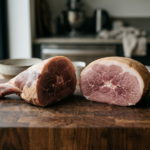
Brisket is one of those cuts that punishes you for getting things wrong. It’s big, it’s expensive, and it takes hours to cook. So when someone tells you that brining can make it juicier and more flavorful, the natural reaction is: why isn’t everyone doing this?
The short answer is that brining brisket can absolutely help — but it doesn’t always make sense, and it depends on your cooking method, the grade of meat you’re working with, and the result you’re after. A lot of people smoke beautiful briskets without ever brining. Others swear it’s the one step that transformed their cook.
Let’s sort through the noise and figure out whether brining brisket is worth your time, which method works best, and how to actually do it if you decide to go that route.
What Brining Actually Does to Brisket
Before deciding whether to brine, it helps to understand the basic science — no lab coat required.
When you brine meat, you’re using salt to change the protein structure in the muscle fibers. Salt dissolves some of the proteins, which allows the meat to hold onto more moisture during cooking. With a wet brine, you’re also introducing extra water into the meat. With a dry brine, there’s no added water — the salt draws out the meat’s own moisture, dissolves in it, and then gets reabsorbed along with the salt.
Both methods accomplish similar things:
- Better moisture retention during long cooks
- Deeper seasoning that goes beyond the surface
- Improved texture — the meat feels juicier even at higher internal temperatures
Brisket is a tough, lean-ish cut (especially the flat), and it cooks for a very long time. That’s a recipe for dryness if you’re not careful. Brining gives you a wider margin of error.
That said, brisket isn’t a chicken breast. The fat cap, the intramuscular fat (marbling), and the connective tissue that breaks down during a low-and-slow cook all contribute moisture and richness. A well-marbled Prime or Choice brisket already has a lot working in its favor. A Select grade flat? That’s where brining really starts to earn its keep.
Wet Brine vs. Dry Brine: Which One Works Better for Brisket?
This is where opinions start flying, so let’s lay out what each method does well and where each one falls short.
Wet Brine
A wet brine means submerging the brisket in a saltwater solution, usually with added aromatics, sugar, and spices. The meat absorbs water along with the salt, which means it’ll weigh more after brining and retain more moisture during cooking.
Where it works well: Lean brisket flats, corned beef-style preparations, and situations where you want to infuse specific flavors deeply into the meat. If you’ve ever had pastrami, you’ve eaten wet-brined brisket.
Where it falls short: A wet brine can dilute the beefy flavor slightly because of all that added water. It can also affect bark formation on a smoked brisket — the surface stays wetter, which means it takes longer to develop that dark, crusty exterior. You also need a container big enough to hold a full packer brisket submerged in liquid, which is a genuine logistical headache.
Dry Brine
Dry brining is simpler. You coat the brisket generously with kosher salt (and whatever other seasonings you like), put it on a rack over a sheet pan, and let it sit uncovered in the fridge. The salt does its work over 12 to 24 hours without any liquid bath.
Where it works well: Smoked brisket, specifically. Dry brining seasons the meat deeply, helps with moisture retention, and dries out the surface — which is exactly what you want for good bark. It’s also far easier to manage. No giant bucket. No worrying about keeping everything submerged.
Where it falls short: It doesn’t add as much total moisture as a wet brine, so extremely lean cuts might not benefit quite as much. It also takes patience — you need fridge space and time.
For most people smoking a brisket at home, dry brining is the more practical and effective choice. It gives you most of the moisture benefits without compromising bark quality.
| Wet Brine | Dry Brine | |
|---|---|---|
| Moisture added | High (absorbs water) | Moderate (retains natural moisture) |
| Flavor depth | Deep, can add complex flavors | Deep salt penetration, preserves beef flavor |
| Bark formation | Can be softer/delayed | Excellent — promotes dry surface |
| Ease of setup | Needs large container, full submersion | Salt + rack + fridge |
| Best for | Corned beef, pastrami, lean flats | Smoked brisket, general preparation |
| Time needed | 12–48 hours | 12–24 hours |
Brisket Brine vs. Dry Rub: Do You Have to Choose?
Here’s something that gets lost in the brine-vs-rub debate: they’re not mutually exclusive.
A dry rub is seasoning applied to the surface before cooking. A brine (wet or dry) is a salt-based treatment that needs time to penetrate the meat. You can absolutely dry brine a brisket overnight and then apply a dry rub before it goes on the smoker.
If you’re dry brining, just keep in mind that the brine already contains salt. Adjust your rub accordingly — use less salt in the rub, or use a salt-free rub on top. Double-salting is a common mistake, and it’ll make the final product unpleasantly salty.
If you skip the brine entirely and just use a dry rub, you’ll still get great surface flavor and bark, but the seasoning won’t penetrate much deeper than a few millimeters. That’s perfectly fine for a fatty, well-marbled brisket where the rendered fat provides plenty of internal flavor and moisture. But on a leaner piece of meat, the center can taste a bit bland by comparison.
The brisket brine vs dry rub question really comes down to: do you want flavor and moisture benefits that go deeper than the surface? If yes, brine first. If your brisket is well-marbled and you’re confident in your cook, a good rub on its own can be enough.
How to Brine Brisket: A Simple Approach for Each Method
Dry Brine Method (Recommended for Smoked Brisket)
This is the method that works for the widest range of situations.
- Pat the brisket dry with paper towels.
- Apply kosher salt generously — roughly ½ teaspoon per pound of meat. You can also add coarse black pepper, garlic powder, or onion powder at this stage.
- Place the brisket on a wire rack set over a rimmed baking sheet. This allows air to circulate underneath, which helps dry the surface.
- Refrigerate uncovered for 12 to 24 hours. Overnight works perfectly for most people.
- Before cooking, check the surface. It should look slightly darker and feel tacky — that’s a sign the salt has done its job. Apply your rub (adjust for salt content) and cook as planned.
Pro Tip: Don’t rinse the brisket after dry brining. The salt should be fully absorbed. If the surface looks excessively salty, you can lightly blot it, but rinsing washes away flavor.
Wet Brine Method (Good for Lean Flats or Pastrami-Style)
If you specifically want to wet brine brisket, here’s a basic brisket brine recipe to start with:
- 1 gallon cold water
- ¾ cup kosher salt (Diamond Crystal) or ½ cup table salt
- ½ cup brown sugar
- 2 tablespoons whole black peppercorns
- 4–5 crushed garlic cloves
- 2–3 bay leaves
- 1 tablespoon mustard seeds (optional)
Dissolve the salt and sugar in a portion of warm water, then add the remaining cold water to bring the temperature down. The brine must be cold before the brisket goes in. Submerge the brisket completely, cover, and refrigerate for 24 to 48 hours. Flip the brisket halfway through if it’s not fully submerged.
After brining, remove the brisket, pat it completely dry, and let it sit uncovered in the fridge for at least an hour before cooking. This rest period helps the surface dry out, which matters a lot if you’re planning to smoke it.
One detail that’s easy to overlook: make sure your container is food-safe and fits in your fridge. A large brining bag inside a roasting pan works if you don’t have a dedicated container. A five-gallon bucket works for a full packer, but clean it thoroughly first.
When Brining Makes the Biggest Difference
Brining isn’t a magic fix for every brisket, and knowing when it matters most saves you from doing unnecessary work.
Brining helps the most when:
- You’re working with a Select grade brisket or a lean flat with minimal marbling
- You’re cooking a brisket flat rather than a full packer — flats dry out more easily than whole packers
- You’re worried about overcooking (brining gives you a bigger cushion)
- You’re making corned beef or pastrami, where wet brining is part of the recipe
- You’re new to smoking brisket and want some insurance against dryness
Brining matters less when:
- You have a heavily marbled Prime or upper-Choice brisket
- You’re cooking a full packer with the fat cap intact
- You’ve dialed in your smoker temperature and timing — if you’re pulling the brisket at the right internal temperature and resting it properly, moisture retention is less of a concern
- You prefer a more concentrated, purely beefy flavor without any dilution
Most competition barbecue teams and experienced pitmasters don’t brine their briskets. They rely on meat quality, temperature control, proper wrapping, and long rest times instead. But that doesn’t mean brining is wrong — it means they’ve developed other skills that achieve a similar result.
Does Brining Affect Smoke Flavor?
This comes up a lot, and the concern is valid. If the surface of the brisket is wet, smoke doesn’t adhere as well. Smoke particles stick best to a dry, tacky surface — that’s why dry brining works so well for smoked brisket. It actually improves smoke adhesion by drying out the exterior.
With a wet brine, you need to compensate. Pat the brisket very dry after removing it from the liquid, then let it air-dry in the fridge for an hour or two before it goes on the smoker. Some people let it air-dry overnight. That extra step makes a real difference in bark quality and smoke absorption.
If you’re cooking a smoked brisket brine style, take the time to dry the surface. Skipping this step is one of the most common mistakes people make — they pull the brisket straight from the brine, slap on a rub, and wonder why the bark turned out soft and pale.
Overnight Brining: How Long Is Too Long?
For a dry brine, 12 to 24 hours is the sweet spot. Going shorter than 12 hours means the salt hasn’t fully penetrated. Going much beyond 24 hours won’t cause problems, but the returns diminish. A brisket brine overnight — starting the evening before your cook — is the most practical approach for most people.
For a wet brine, you have a wider window: 24 to 48 hours. Because the brine concentration is lower (the salt is diluted in water), it takes longer for flavor and moisture to work their way into the meat. Going past 48 hours can start to make the texture mushy, especially near the surface. The meat starts to break down in a way that feels more like deli meat than barbecue — which is fine if you’re making pastrami, but not what you want for smoked brisket.
Warning: Don’t brine at room temperature. Ever. The brisket and brine must stay below 40°F the entire time. A large brisket sitting in liquid at room temperature is a food safety issue.
Putting It All Together: A Practical Decision Framework
If you’re standing in front of a raw brisket right now trying to decide what to do, here’s a simple way to think about it:
Step 1: Look at your brisket. Is it a lean flat, or a well-marbled full packer? Lean meat benefits more from brining.
Step 2: Think about your cooking method. Smoking low and slow? Dry brine. Making corned beef or pastrami? Wet brine. Braising in the oven? You probably don’t need to brine at all — the liquid in the braising vessel handles moisture retention.
Step 3: Consider your confidence level. If you’ve smoked a lot of briskets and you’re happy with your results, brining might be an unnecessary step. If you’re still learning how long to smoke brisket at 225 and what temp to wrap brisket, brining gives you a safety net.
Step 4: Check your timeline. Do you have 12+ hours before cooking? If not, a quick rub with salt an hour before cooking is better than a rushed brine. Brining needs time to work.
FAQ
Can you brine a whole packer brisket?
Yes, but it’s more practical to dry brine a full packer. Wet brining a 12–15 pound brisket requires a massive container and a lot of brine — you’re looking at 2+ gallons of liquid. Dry brining just takes salt, a rack, and fridge space.
Does brining make brisket taste salty?
It shouldn’t, if done correctly. Use the right ratio of salt to meat (about ½ teaspoon kosher salt per pound for dry brining), and the result should taste well-seasoned rather than salty. The most common cause of over-salting is brining with salt and then using a salty rub on top without adjusting.
Should you brine brisket if you’re going to wrap it during the cook?
Wrapping in butcher paper or foil already helps retain moisture, so brining is less critical. That said, brining and wrapping aren’t competing strategies — they work at different stages. Brining seasons the interior before cooking. Wrapping protects moisture during cooking. Using both gives you the best of each approach. If you’re curious about wrapping materials, check out this comparison of butcher paper vs. parchment paper.
Is dry brining the same as just salting the brisket early?
Essentially, yes. “Dry brine” is just a modern term for salting meat ahead of time and giving the salt time to penetrate. The key difference from a last-minute salting is the resting time — you need at least 12 hours for the salt to work its way into the meat and for the drawn-out moisture to be reabsorbed.
Can you brine a frozen brisket?
No. The brisket needs to be fully thawed before brining. Salt can’t penetrate frozen muscle fibers effectively, and partially frozen meat sitting in a brine creates uneven seasoning and potential food safety issues. Thaw completely in the fridge first, then brine.
The Bottom Line
Should you brine brisket? If you’re working with a lean cut, still building your smoking skills, or just want deeper seasoning and a little extra moisture insurance, yes — dry brining overnight is one of the simplest upgrades you can make. It takes almost no extra effort, and the downside risk is essentially zero.
If you’re already producing great results with quality meat and dialed-in technique, brining is optional. Plenty of outstanding brisket gets cooked without it.
The best next step? Try it on your next cook. Dry brine one brisket, skip it on the next, and compare. Your smoker, your meat, and your taste buds will tell you more than any article can. And when you’re ready to nail down the rest of your process — from finding the best smoking temperature to knowing exactly where to probe your brisket — those details are what turn good brisket into great brisket.