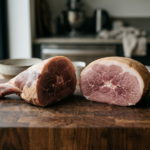
Put your ribs bone side down for the majority of the cook. That’s the short answer, and it’s the right call for most smokers, grills, and setups you’ll encounter.
If you’ve spent any time on barbecue forums, you already know people argue about this like it’s a religious question. Some swear bone up is the only way. Others say bone down is non-negotiable. The truth is more practical than either camp wants to admit, and it mostly comes down to where the heat is coming from in your specific setup.
Why Bone Side Down Is the Default
When you place ribs in a smoker or on a grill, the heat source is almost always below the cooking grate. The bones act like a built-in heat shield, protecting the meat from the most intense radiant heat rising from the fire.
Think of it this way: the bone side is the tough, structural side of the rack. It can handle the heat. The meat side is where all the tender muscle, fat, and surface bark are developing. You want that side facing up, away from the direct heat, so it cooks more gently and evenly.
If you flip the ribs meat side down for hours, two things tend to happen. The meat closest to the grate gets exposed to more aggressive heat, which can dry out the bottom layer or cause the rub to scorch. And the bark you’re trying to build on the meat side gets pressed against the hot grate, which doesn’t do it any favors.
This is why the standard rib cooking position across most barbecue traditions — whether you’re smoking baby backs, spare ribs, or St. Louis cuts — is bone side down, meat side up.
Pro Tip: If you’re using a rub with a lot of sugar, keeping the meat side up is even more important. Sugar burns at relatively low temperatures, and direct exposure to rising heat can turn your rub bitter before the ribs are anywhere close to done.
When the Direction Actually Changes
The bone-down rule covers about 80% of the cook for most people. But there are a couple of situations where flipping makes sense, and knowing when to break the rule is what separates a good cook from a great one.
During the wrap phase. If you follow a method like 3-2-1 (three hours unwrapped, two hours wrapped, one hour unwrapped), the wrapped stage is where some cooks flip the ribs bone side up. The logic is straightforward: when the ribs are wrapped in foil or butcher paper with a splash of apple juice, butter, or honey, you want that braising liquid pooling against the meat side rather than sitting uselessly against the bones. Flipping them bone up during the wrap lets the liquid baste the meat directly.
Not everyone does this, and plenty of award-winning pitmasters never flip at all. But if you’re wrapping, it’s a reasonable move. Just flip them back bone side down when you unwrap for the final glaze or set.
When heat comes from above. This is less common, but if you’re cooking in a setup where the primary heat source is above the food — some oven scenarios or certain grill configurations with a top-mounted burner — the logic reverses. You’d want the bones facing up to shield the meat from the heat above. This is one of those edge cases that doesn’t come up often but explains why you’ll occasionally see someone recommend bone side up without being wrong.
Multi-rack cooking. If you’re smoking multiple racks on different levels of a vertical smoker, the racks closer to the heat source may benefit from bone down for extra protection, while the racks higher up sit in a gentler heat zone where the orientation matters less. In practice, most people just keep everything bone down for consistency and simplicity.
Does Your Smoker Type Change the Answer?
This is where the debate gets some real nuance, and it’s where most articles skip the details entirely. The type of smoker you’re using affects how much the bone direction actually matters.
Pellet grills and electric smokers produce very even, indirect heat that circulates around the cooking chamber. The temperature difference between the top and bottom of the rack is minimal. In these setups, the rib cooking position matters the least. Bone down is still the standard, but you’re unlikely to ruin a rack by going bone up. If you’re curious about how different fuel types affect heat distribution, the breakdown between charcoal and wood smokers is worth understanding since the heat dynamics vary quite a bit between them.
Offset smokers pull heat from a firebox on one side, so the heat flows horizontally across the cooking chamber. The end of the rack closest to the firebox gets more heat than the far end. In this case, bone down still protects the meat from radiant heat bouncing off the metal floor, but the bigger concern is managing the hot and cool zones across the rack. Rotating the ribs end-to-end during the cook usually matters more than the up-or-down question.
Kettle grills and bullet smokers have the heat source directly below the cooking grate, even when you’re set up for indirect cooking. The bones provide meaningful protection here, so bone side down is the strongest recommendation for this type of setup. If you’re deciding between a pellet grill and a gas grill for your next purchase, keep in mind that the heat dynamics are quite different, which directly affects how much rib orientation matters.
Ribs on a grill over direct heat is a different story entirely. If you’re grilling ribs hot and fast over coals or gas burners rather than smoking them low and slow, bone side down becomes critical. The direct radiant heat will scorch exposed meat in minutes, and the bones buy you a real buffer. That said, most people smoking ribs at 225–275°F are cooking indirect, so this is more of a grilling-specific concern. If you’re experimenting with different smoking temperatures, the difference between smoking ribs at 250 vs 275 can also affect how aggressively the heat hits the bottom of the rack.
The Honest Truth About How Much It Matters
Here’s the part that might save you some anxiety.
For most home cooks using a standard smoker at typical barbecue temperatures, the difference between bone up and bone down is small. You’re not going to ruin a rack of ribs by placing them the “wrong” way. The bone is a heat shield, yes, but at low smoking temperatures, the heat is gentle enough that the meat isn’t in serious danger either way.
The situations where orientation genuinely matters are:
- Cooking over direct heat or very close to a hot fire
- Using a setup with significant radiant heat from below the grate
- The wrap phase, where liquid pooling direction is a real factor
- Extremely long cooks where small differences compound over many hours
If you’re cooking a rack of baby backs for four hours at 250°F on a pellet grill, the bone direction is one of the least important decisions you’ll make that day. Your rub, your wood choice, your temperature control, and your wrapping technique will all have a far bigger impact on the final result. Speaking of wood, if you haven’t settled on a smoking wood yet, the differences between hickory and mesquite are worth exploring since they each bring very different flavor profiles to ribs.
So go bone side down as your default. Flip during the wrap if you want to. Don’t stress about it beyond that. The best ribs come from consistent temperature and patience, not from agonizing over which way the bones face.
And if you end up with leftovers — which is rare but possible — knowing the best way to reheat ribs will keep them from drying out the next day.
Frequently Asked Questions
Should I smoke ribs bone side up or down?
Smoke ribs bone side down for most of the cook. The bones shield the meat from rising heat, and the meat side faces up to develop bark. If you wrap the ribs during the cook, you can flip them bone side up during the wrapped phase so the braising liquid pools against the meat.
Does it matter which way you put ribs in a smoker?
At low smoking temperatures (225–275°F), the difference is relatively small. Bone side down is the standard recommendation and provides a slight advantage by protecting the meat from radiant heat below. The orientation matters more on grills with direct heat or in setups where the heat source is very close to the cooking grate.
Do you flip ribs when smoking?
Most pitmasters don’t flip ribs during the unwrapped portions of a smoke. The main exception is during the wrapped phase of methods like 3-2-1, where some cooks flip the ribs bone side up so the added liquid bastes the meat. If you do flip, handle the ribs gently to avoid tearing the bark.
What about ribs in the oven — bone up or down?
In the oven, bone side down is still the standard. The heating element is typically at the bottom of the oven, so the bones protect the meat the same way they do in a smoker. If you’re using the broiler at the end to caramelize a glaze, the meat side should face up toward the broiler element.
Your smoker is ready, the ribs are seasoned, and now you know which way they go. Bone side down, meat side up, and let the smoke do the work. Save your energy for the more important decisions — like whether you’re wrapping in foil or butcher paper, and whether you’re telling anyone else how fast those ribs disappeared.