A weekend in Kyoto is a tasting menu. Three months in Kyoto is something else entirely — it is learning where the tofu shop keeps its back entrance, which stall at the market gives you the good pickles, and why the same bowl of noodles tastes different in November than it did in September. The city was Japan’s imperial capital for more than a thousand years, and it still eats like a place that had a very long time to get things right.
An Inland City That Eats Like One
The first thing to understand about Kyoto’s food is what it does not have. Kyoto sits inland, ringed by mountains, with no coastline of its own. Historically, fresh ocean fish arrived after a journey, preserved in salt or vinegar or packed in rice — which is exactly why the city developed its own versions of things other regions made differently. Kyoto’s famous mackerel sushi, saba zushi, is cured and pressed rather than served raw, because that is how fish survived the trip from the sea.
What Kyoto does have, in abundance, is extraordinary water, excellent soybeans, and a climate that rewards patience. The soft, clean water is the quiet reason the city’s tofu is so good, and the reason its sake and tea traditions run so deep. Kyoto’s cooking leans delicate rather than bold: light broths, subtle seasoning, vegetables treated as the main event. If Tokyo’s food shouts, Kyoto’s food murmurs, and you have to slow down to hear it.
Kaiseki: The Meal as a Season
No food tradition is more associated with Kyoto than kaiseki ryori, the multi-course meal that grew out of the tea ceremony and the city’s temple culture. A kaiseki dinner is not really a meal in the ordinary sense. It is a sequence — small, deliberate courses that follow the season, each one presented on dishware chosen for that dish, in that month, in that room.
A winter kaiseki might open with something light and move toward warmth: a delicate appetizer, a clear soup, sashimi, a simmered dish, something grilled, then rice, soup, and pickles to close. Spring swaps in bamboo shoots; autumn brings matsutake mushrooms and chestnuts. The point is never abundance. It is attention — to what is at its best right now, and to how one flavor hands off to the next.
Kaiseki can be expensive, and the most famous rooms in the city — places like Kikunoi and Hyotei, institutions with centuries of history — are special-occasion territory. But the tradition is more accessible than its reputation suggests: many of the same kitchens serve lunch courses at a fraction of the dinner price, and a lunch kaiseki is one of the best values in Japanese dining.
Tofu, Taken Seriously
If kaiseki is Kyoto’s formal wear, tofu is its everyday genius. The city treats tofu the way other places treat steak — as something worth a dedicated restaurant, a dedicated technique, and a long argument about who does it best. The dish to know is yudofu: silken tofu gently simmered in a light kelp broth, lifted out with a spoon, and dipped in a sauce of soy, citrus, or grated ginger.
It sounds almost too plain to be a destination dish, and that is precisely the test. With nothing to hide behind, the tofu has to be excellent — fresh, delicate, made that morning from good soybeans and Kyoto’s soft water. The traditional yudofu restaurants near Nanzen-ji Temple, where the dish grew out of temple cuisine in the late Edo period, serve it in quiet rooms with gardens attached, and the whole experience is designed to slow you down.
But yudofu is only the beginning. Kyoto’s tofu shops also make yuba, the delicate skin that forms on heated soy milk, lifted off in sheets and served fresh, rolled, or dried. Fresh yuba has a creamy, almost custardy quality that the dried version only hints at, and it shows up everywhere from market stalls to kaiseki courses.
Nishiki Market: Kyoto’s Kitchen
If you want to understand how Kyoto eats day to day, go to Nishiki Market and go hungry. The covered arcade in the center of the city has been a food market for centuries — it is nicknamed “Kyoto’s Kitchen” for good reason — and its hundred-plus stalls sell everything from fresh tofu and pickles to knives, dried sardines, matcha, and sweets.
Nishiki rewards grazing. A skewer of grilled seafood here, a slice of tamagoyaki — the sweet rolled omelet — there, a taste of tsukemono, Kyoto’s famous pickles, from a shop that has been brining vegetables the same way for generations. The pickle shops are worth a proper stop: Kyoto’s pickled vegetables, from shiba-zuke eggplant to suguki turnips, are sharper and more varied than anything in a supermarket, and they are the quiet backbone of a Kyoto meal.
The market also teaches you something about shopping in Kyoto. Stallholders remember faces. After a few weeks, the woman at the tofu stall knows you want the silken kind, and the pickle seller steers you toward the batch that came out yesterday. That is not a tourist performance. It is how a neighborhood market works when you actually live near it.
Obanzai: Home Cooking, Served Proudly
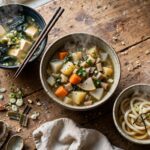
Between the formality of kaiseki and the bustle of the market sits obanzai, Kyoto’s home-style cooking, served in small, unpretentious restaurants that feel like someone’s dining room. Obanzai is a spread of small dishes made from seasonal vegetables and whatever is fresh: simmered pumpkin, dressed greens, fried tofu pouches, hijiki seaweed, a little fish. You pick a few, they come with rice and miso soup, and the meal costs a fraction of a kaiseki dinner.
Over three months, obanzai becomes a habit. You learn which shop does the best simmered eggplant and which counter seat has the best view of the cook working. That kind of knowledge is the real souvenir of a long stay — not a thing you buy, but a set of small preferences you carry home.
The Sweet Side: Matcha and Yatsuhashi
No account of Kyoto eating is complete without its sweets, and the city is arguably Japan’s wagashi capital. Uji, just south of the city, produces some of the country’s finest matcha, and Kyoto turns it into everything: ice cream, parfaits, warabi mochi dusted with roasted soybean flour, soft-serve swirled with green tea.
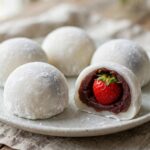
Then there is yatsuhashi, the cinnamon-scented sweet made from rice flour that has been Kyoto’s signature souvenir for generations. The baked, cracker-like version is the older style; the soft, unbaked version, folded around sweet bean paste, is the one most visitors fall for. Shops near Kiyomizu-dera sell them in every flavor from matcha to strawberry, and tasting your way along that street is practically a rite of passage.
Where the Days Go: Pontocho, Gion, and Arashiyama
Kyoto’s food is inseparable from its geography, and a long stay teaches you the personality of each eating neighborhood. Pontocho Alley, the narrow lantern-lit lane along the Kamogawa River, is where you go in the evening: tiny restaurants and bars stacked shoulder to shoulder, many with river-facing terraces in summer. The best strategy is to wander, read the menus posted outside, and pick the place that smells best.
Arashiyama, out west by the bamboo grove, is the daytime counterpart: tofu restaurants with garden views, street snacks, and the temple cuisine of the Zen gardens. The area’s shojin ryori — Buddhist vegetarian temple cooking, built on tofu, seasonal vegetables, and mountain herbs, without meat, fish, or pungent seasonings — is some of the most refined vegetarian food in the world, and it tastes better after a walk through a bamboo forest than anywhere else possibly could.
What Three Months Actually Teaches You
Here is the thing a long stay reveals that a short trip cannot: Kyoto’s food is not a checklist. It is a calendar. The same restaurant serves different food in October than in December, the market stalls change their pickles with the season, and the sweets shift from chestnut to strawberry as winter gives way to spring.
It also teaches you restraint. Kyoto’s cooking is quiet, and quiet food punishes haste. The first time you eat yudofu, you might wonder what the fuss is about. The tenth time, in a garden room on a cold day, with the steam rising and the broth barely seasoned, you understand completely.
If you ever get the chance to stay — not visit, but stay — take it. Rent the small apartment, learn the market stalls, find your obanzai counter, and let the city feed you the way it feeds itself: seasonally and patiently. And if a long stay is not in the cards, borrow its lesson anyway: slow down, eat what is in season, and give the quiet dishes the time they deserve. For the seasonal produce that shapes Kyoto’s colder months, see our guide to Japanese winter vegetables.